

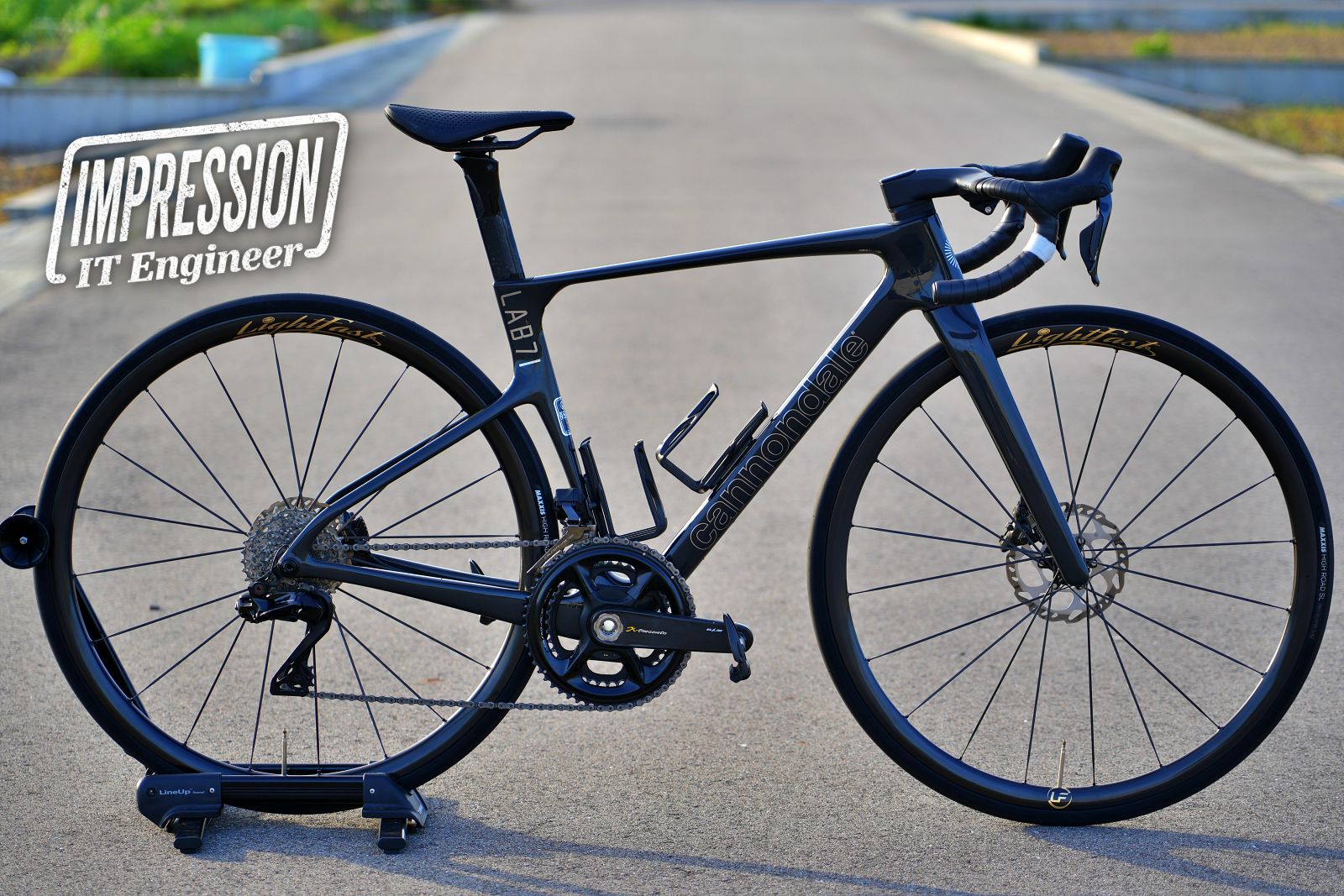
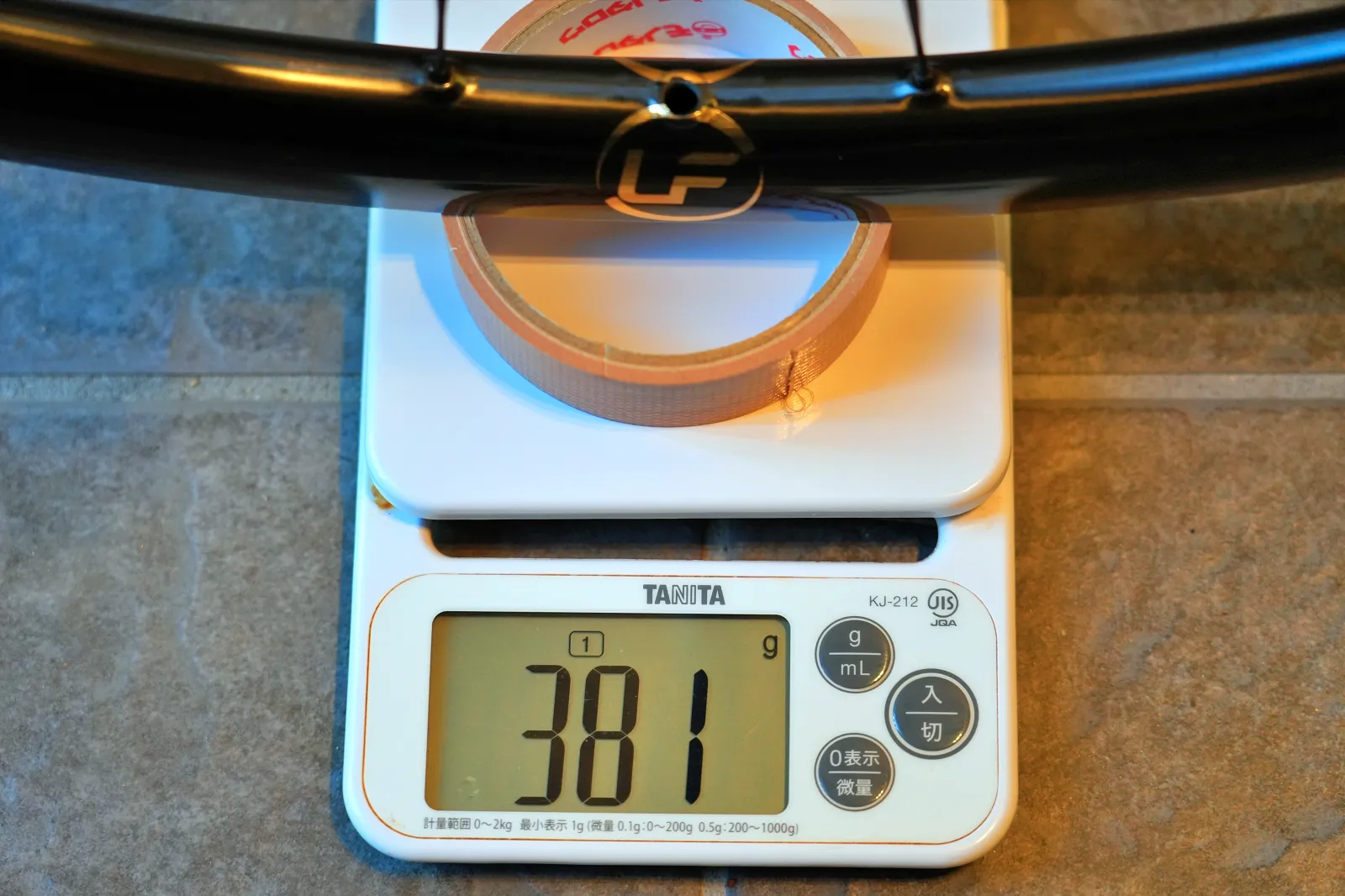
The LightFast LF X5 wheels are characterized by their lightweight design, weighing under 900g. I've always disliked and been wary of ultra-lightweight wheels, especially those from unknown Chinese manufacturers, but these were surprisingly solid. They excel in climbing performance and acceleration from low speeds, providing agile cornering and a supple ride that isn't too stiff. On the other hand, they tend to lack power at high-speed cruising above 35km/h. This product is suitable for riders who prioritize climbing and nimble riding; its lightness is an advantage, but it's not a panacea.
Merit
- ➕️Lightweight, weighing less than 900g
- ➕️ High climbing performance
- ➕️Smooth acceleration from low speeds up to the low 30 km/h range
- ➕️ Agile cornering thanks to lightweight rims
- ➕️A supple ride that isn't too stiff.
Disadvantages
- ➖️Insufficient acceleration at high-speed cruising speeds above 35 km/h
- ➖️The golden exterior is a matter of personal preference.
When people hear about road bike wheels weighing under 900g, their first thought is usually, "Are they really practical?" While lightness is certainly appealing, it also comes with concerns about insufficient rigidity, instability, and durability.
For riders who regularly use carbon wheels with a height of 45-50mm, it's natural to imagine that ultra-lightweight wheels might feel "unreliable."
The LightFast LF X5 that I tested this time was exactly the kind of wheel that gave me those kinds of concerns. It weighs less than 900g. Looking at the numbers alone, it's an extremely lightweight wheel.
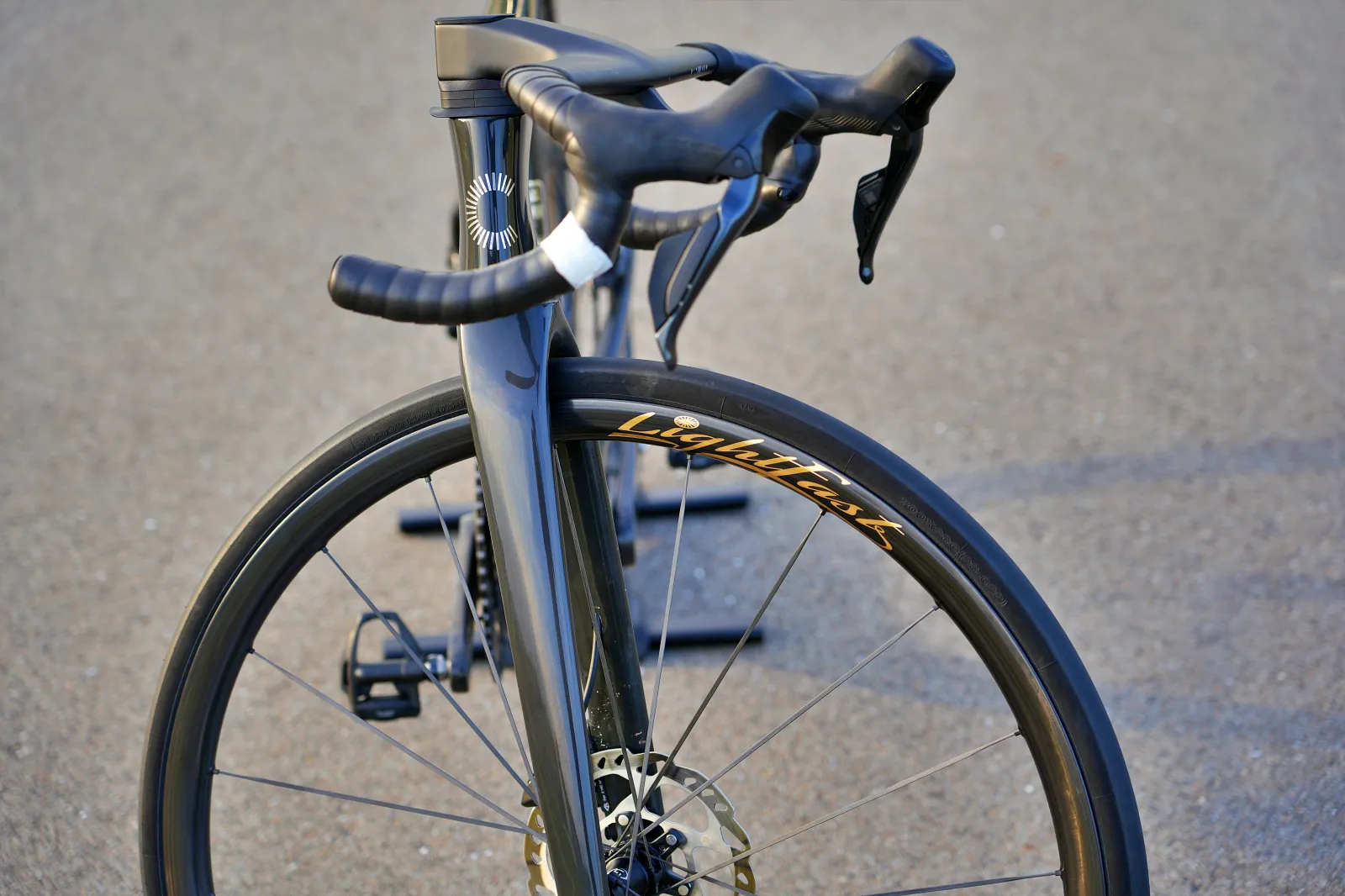
However, my impression was slightly different when I actually drove it.
Despite its light weight, the ride isn't as "floaty" as you might imagine. In fact, it's surprisingly easy to use. Furthermore, its lightness is clearly an advantage when climbing hills or accelerating from low speeds.
On the other hand, it's not a panacea.
At high-speed cruising speeds exceeding 35 km/h, the acceleration offered by these wheels is less pronounced than that of 45-50 mm high wheels. These wheels are not designed for long, fast rides on flat terrain, but rather excel on climbs, winding roads, and courses with frequent speed changes.
The LightFast LF X5 was a wheel where the advantages and disadvantages of its lightness were very clearly apparent.
First impression: Runs surprisingly normally for a horse weighing under 900g.
The first thing I noticed was that it wasn't as finicky as its weight of under 900g might suggest.
Looking at the numbers alone, it seems like a rather unusual wheel. I had the preconceived notion that extremely light wheels might feel unstable the moment you start riding, lose power when you pedal hard, or cause instability on descents and corners.
However, the LF X5 rides surprisingly normally. At least, it's not a wheel that makes you feel "this is difficult to handle" as soon as you start riding. However, it is clearly softer than the stiffer 45-50mm height wheels I usually use.

It's difficult to determine whether this softness simply stems from low rigidity or from the flexibility resulting from a lightweight design. However, it certainly wasn't an unpleasantly flimsy feel.
On rough surfaces, its softness actually worked to its advantage in some situations. Instead of directly returning road inputs like a hard wheel, it felt like it rounded off the edges and absorbed them. This suppleness was particularly impressive on slightly rough surfaces like riverbanks.
Climbing: This is where the lightness of the LF X5 is most evident.
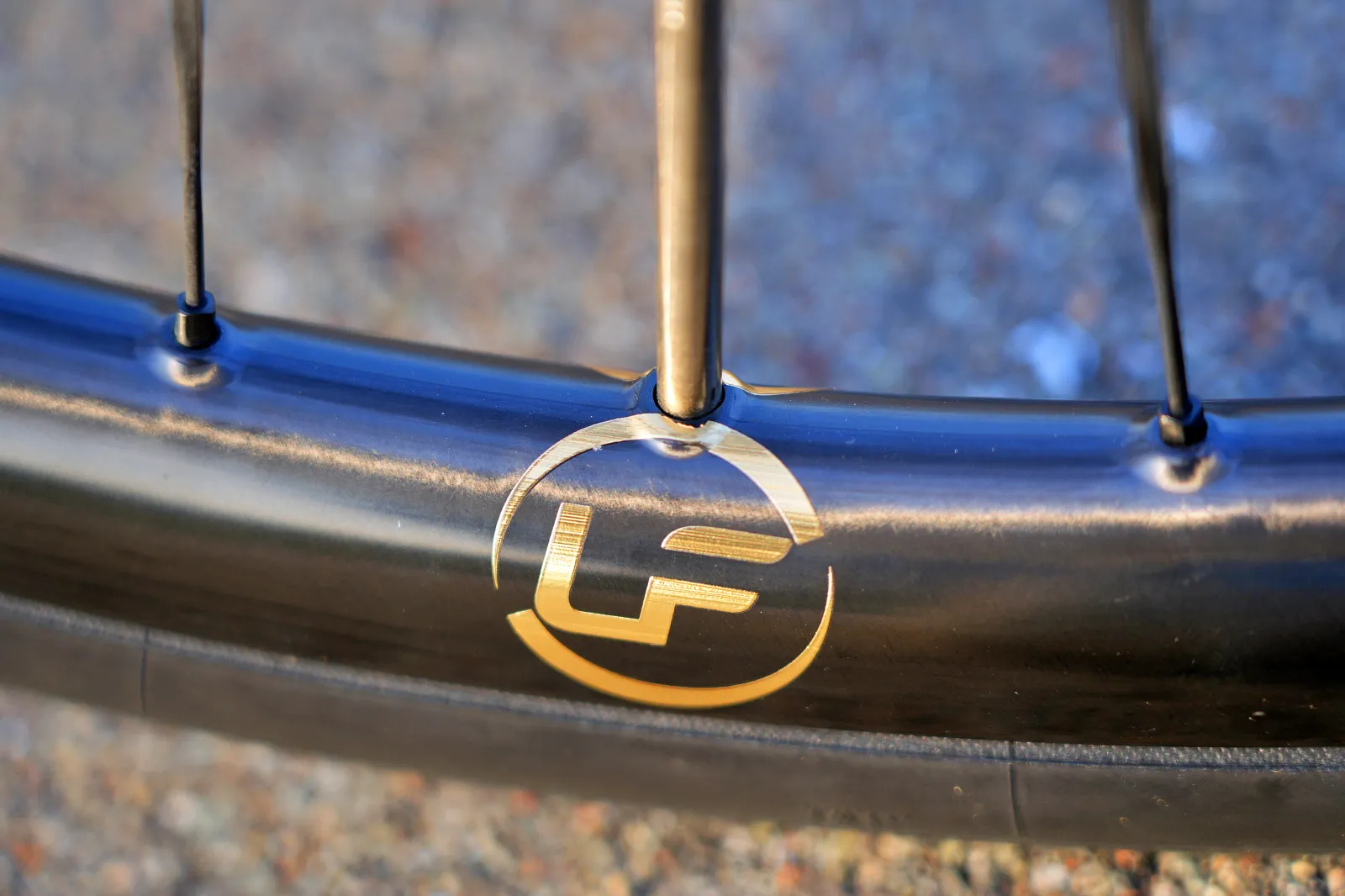
The LF X5's strengths are most evident when climbing.
The lightness of these wheels, weighing under 900g, is clearly evident on inclines rather than flat terrain. Especially on climbs of around 10% average, you hardly feel the weight of the wheels dragging on the ground. The lightness of the LF X5 becomes a real advantage when the gradient gets steeper and your speed drops.
What was particularly impressive was the acceleration out of hairpin turns. On uphill hairpins, you lose speed upon entry and then have to accelerate again on the exit. At this point, wheels with a lighter rim circumference respond more quickly. The LF X5 exhibits this characteristic perfectly, making re-acceleration after a loss of speed effortless.

The expression "strengthens on the uphill climb" fits perfectly.
Rather than maintaining speed through absolute aerodynamic performance, it allows for a smooth forward acceleration when you pedal again. It's less likely to disrupt your climbing rhythm and is very easy to handle on courses with changing gradients and hairpin turns. If you consider it as a wheel for hill climbing, this lightness is a clear advantage.
Acceleration: Very smooth from low speeds up to the low 30 km/h range.

The LF X5 also has sharp acceleration from low speeds.
The lightness of the wheels is immediately noticeable when starting from a stoplight or accelerating again after a corner. When building up speed from a standstill, they are clearly more agile than the 45-50mm high wheels I usually use.
Up to the low 30 km/h range, the ride feels light. The initial acceleration is effortless, and the response to gaining speed is quick. This acceleration is particularly enjoyable in stop-and-go city traffic and on winding, hilly roads.
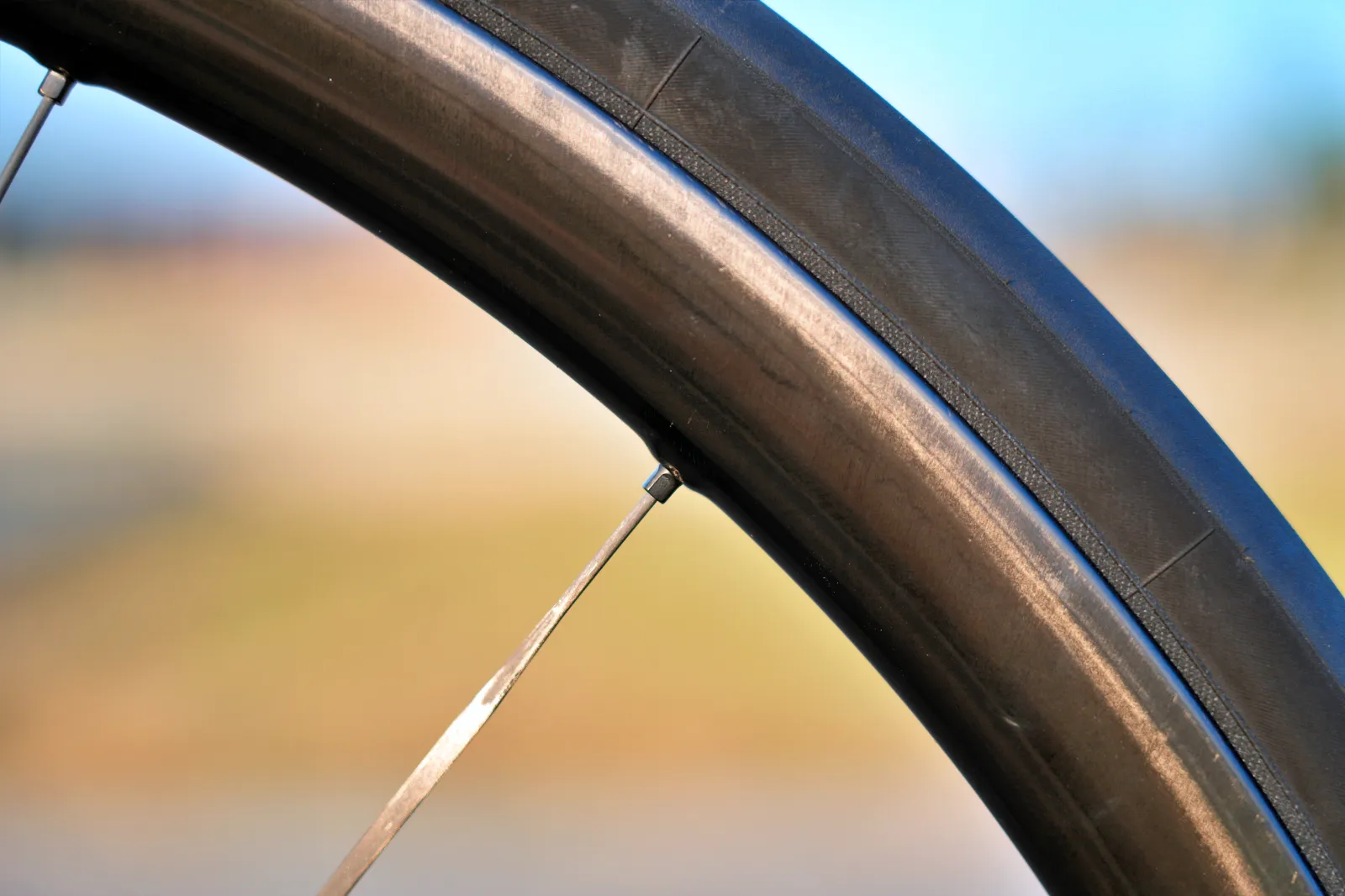
The LF X5's characteristics are particularly well-suited to courses with continuous uphill sections. Its lightness is more effective in situations involving repeated deceleration and acceleration than in maintaining a constant speed for extended periods. Because the rims are light, the bike as a whole is also agile when changing direction.
This is where the advantages of lightweight wheels really shine through.
High-speed cruising: Insufficient acceleration above 35 km/h.
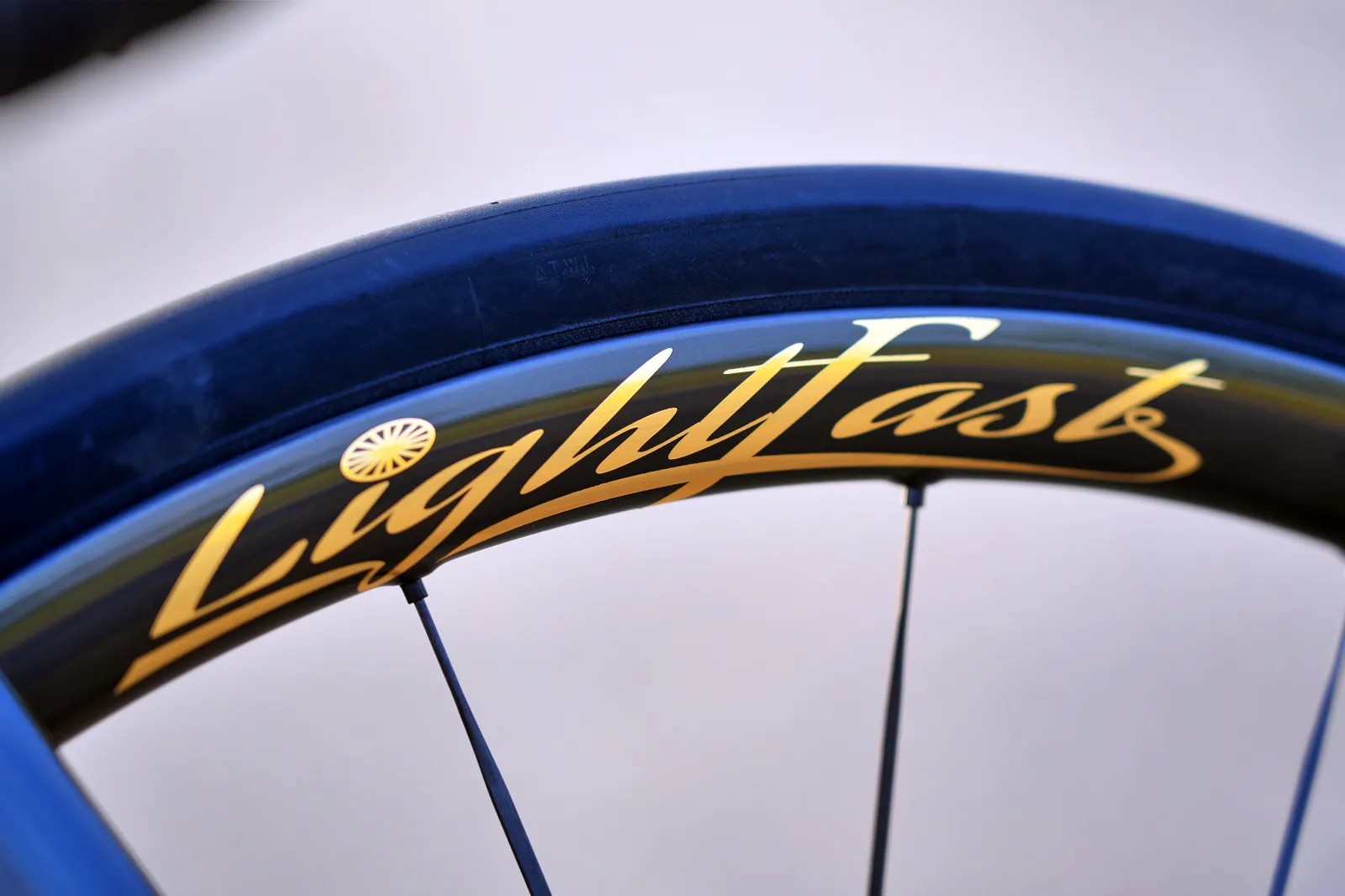
On the other hand, the LF X5's weaknesses are also clear. It's not good at high-speed cruising. It's agile up to the low 30 km/h range, but when you try to increase the speed beyond 35 km/h, it doesn't pick up much.
The feeling of gliding smoothly once you pick up speed, which you get with wheels with a height of 45-50mm, is weaker. Of course, it's not that it doesn't ride at all.
However, when maintaining speed on flat terrain, deeper carbon wheels are clearly easier to use. The LF X5 is a wheel that accelerates through its lightness, rather than relying on aerodynamics to support speed.
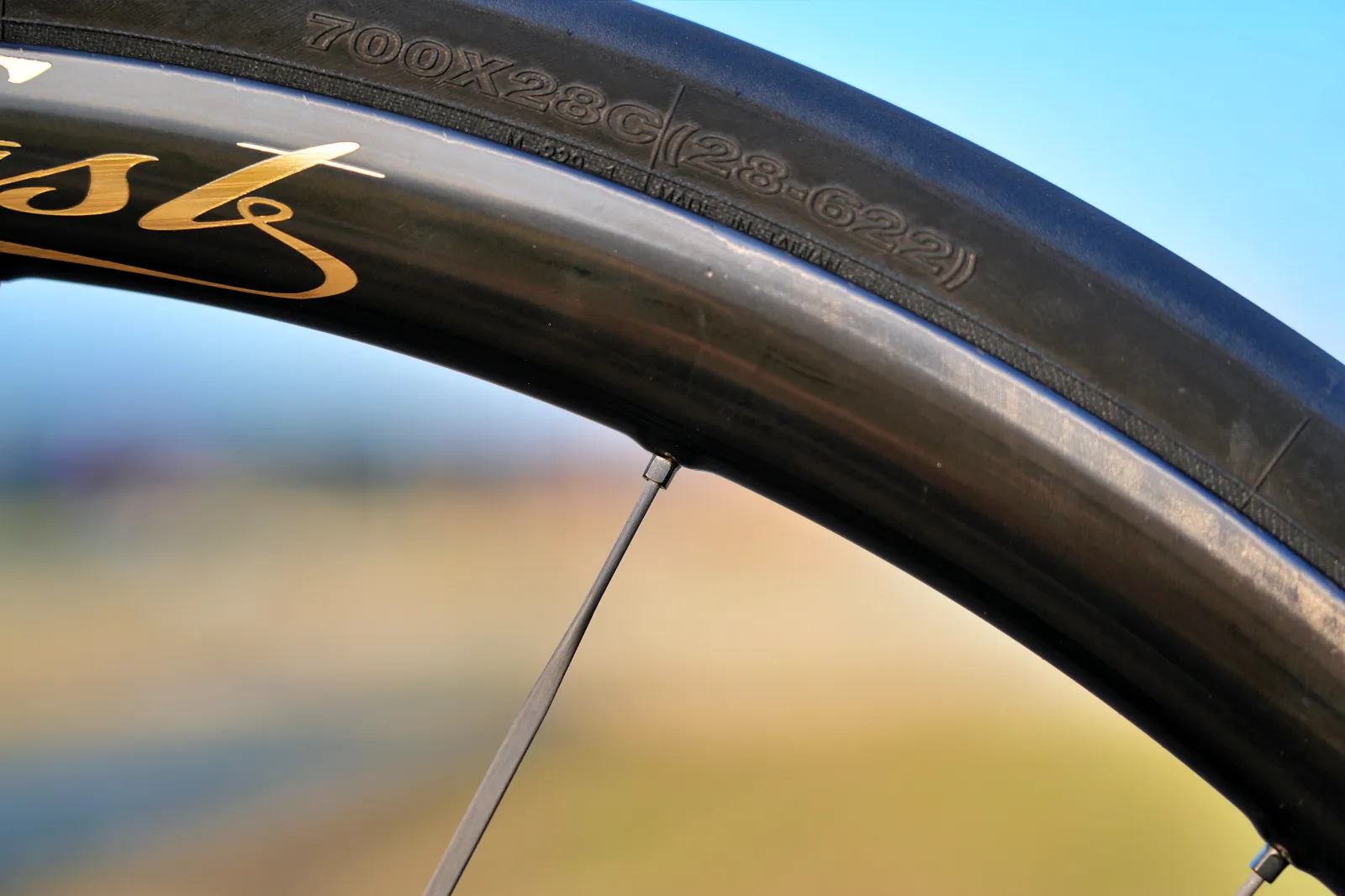
This difference becomes significant when considering training rides of nearly 200km. For long periods of cruising on flat terrain at a consistent speed, the roll of wheels with a higher rim profile becomes more desirable than the lightness of the LF X5. On courses with headwinds or long stretches of high-speed cruising, I wouldn't actively choose the LF X5.
These wheels are not designed for fast, long-distance riding on flat terrain.
Cornering: Agility provided by lightweight rims

In cornering, the LF X5's lightness translates into agility.
The bike feels light when leaning into corners or making quick changes of direction. Perhaps because of the light rim circumference, the entire sequence of movements from corner entry to exit is swift. Especially on winding roads, the feeling of spinning heavy wheels is diminished, making the bike easier to handle.
I had a good impression of the uphill hairpin turns as well.

The LF X5's responsiveness really shines when cornering at low speeds and then accelerating again at the exit. The sharp acceleration and nimble handling in corners are well-matched, making it quite suitable for mountainous courses.
However, it clearly has a different character from wheels that prioritize high-speed cruising performance. The LF X5 is better suited to courses with a lot of turning, climbing, and pedaling, rather than courses where you need to increase speed on straightaways.
Ride comfort: It's not stiff, but rather supple.
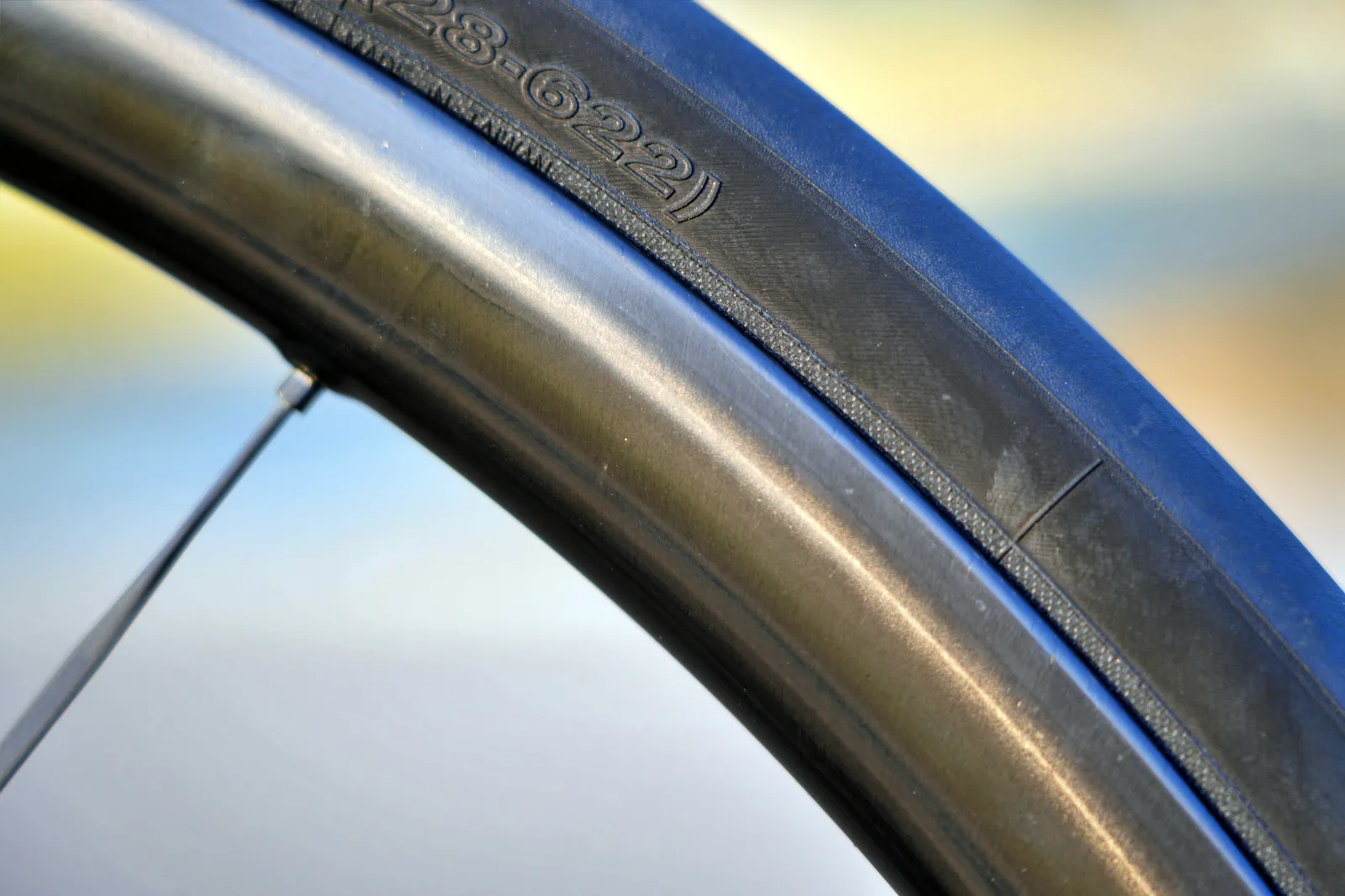
The LF X5 is not a stiff wheel. Compared to the 45-50mm height wheels I usually use, it feels noticeably softer. How this softness is valued will depend on the rider's preference and intended use.
If you're looking for the feeling of instant rebound when you step on the pedal, like with high-rigidity wheels, the LF X5 might feel a little underwhelming.
On the other hand, this flexibility works to its advantage on rough surfaces. On surfaces like riverbanks, I found the input to be milder and easier to handle than with stiffer wheels. While it doesn't completely eliminate vibrations from the road surface, it gives the impression of smoothing out the harshness.
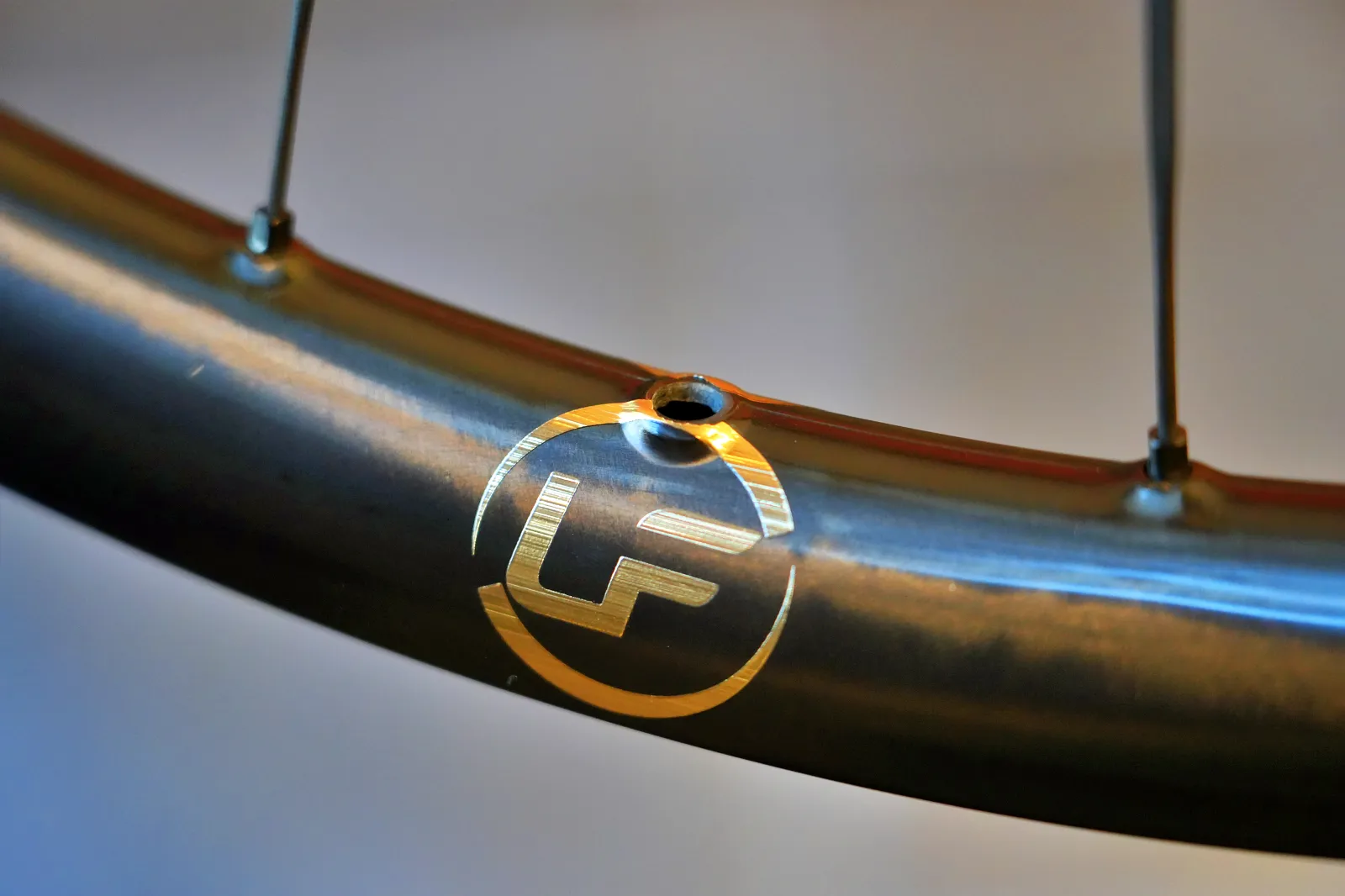
Based on this feeling, the LF X5 has potential not only for road use but also for light gravel-like activities.
Of course, further testing is needed to evaluate it as a serious gravel wheel, but at least on rough paved roads and paths with many small bumps, it has advantages that are different from stiff deep-rim wheels.
Appearance: The gold color is a matter of personal preference.

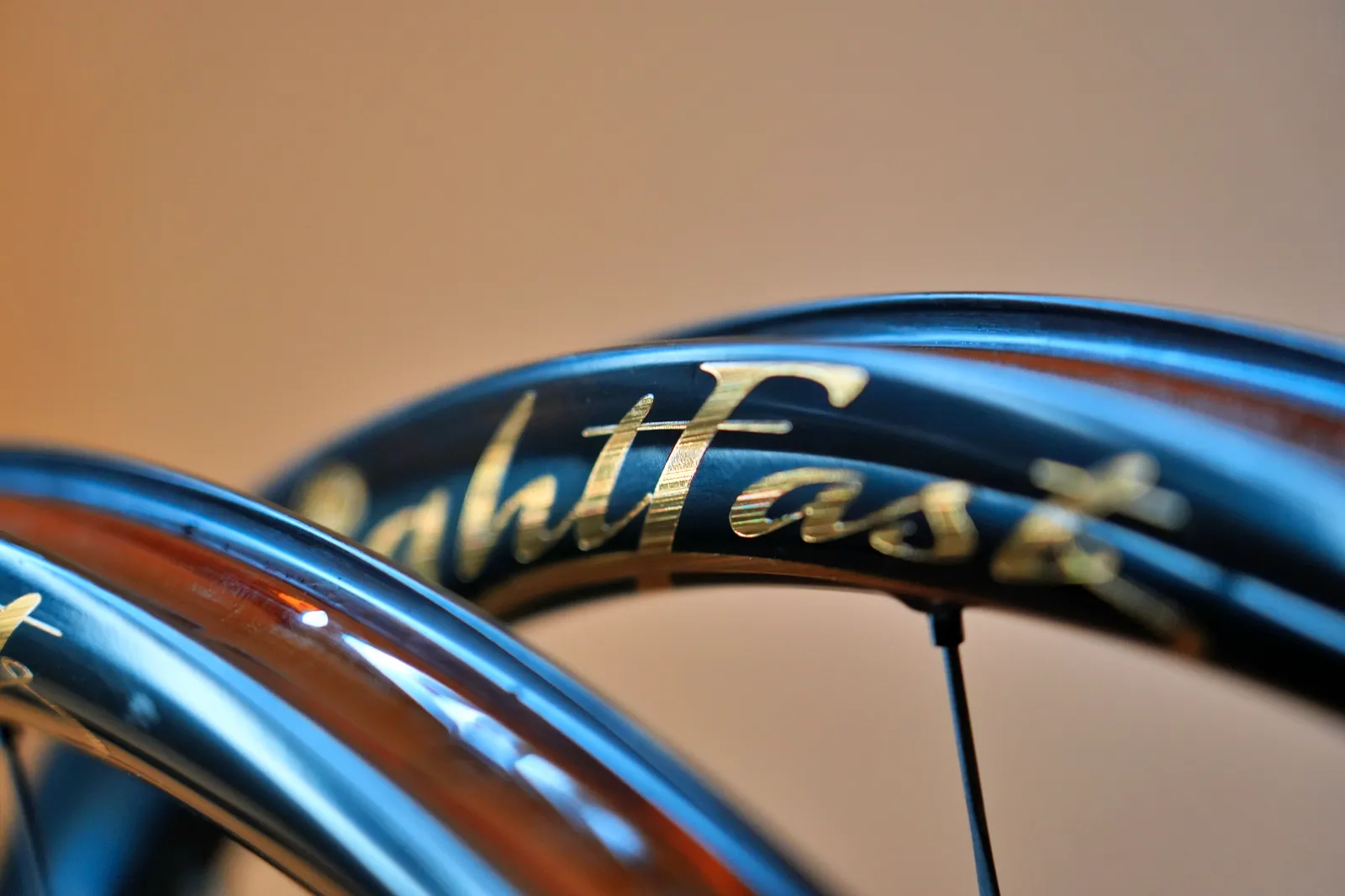
While the LF X5 is attractive in terms of performance, its appearance is a matter of personal taste. The gold version I tried looked a little cheap, to be honest. It's eye-catching from a distance, but if you want to give your bike a more understated look, it's a bit too flashy.
If you're going for a sophisticated frame like the SuperSix EVO Gen5, a more understated color might be a better match. It's not a big issue if performance is your priority, but if you're also considering aesthetics, I think it's safer to choose a different color.
Wheels are a part that greatly influences not only riding performance but also the overall impression of the motorcycle. If you're choosing the LF X5, you should carefully consider your color selection.
What uses is it suitable for?

The LF X5 is best suited for courses with significant inclines and speed changes. Its suitable uses include the following:
- Hill climb
- Practice climbing repeatedly
- Mountain ride of around 100km
- Winding road
- A course with many short uphill sections.
- Road bikes that prioritize weight reduction
- A brisk ride including rough paved roads
Conversely, it is not suitable for the following uses:
- A flat course that emphasizes high-speed cruising at 35 km/h or more.
- A long training session of nearly 200km
- A ride with a long section of headwind
- Situations where high speeds are maintained during group riding.
- Applications where the stretch of deep rims is expected.
The LF X5 isn't a universal wheel, but it's incredibly appealing if it suits your needs. Especially for hill climbers and riders prioritizing weight reduction, it offers noticeable advantages not only in terms of weight but also in terms of riding feel.
Differences from 45-50mm height wheels
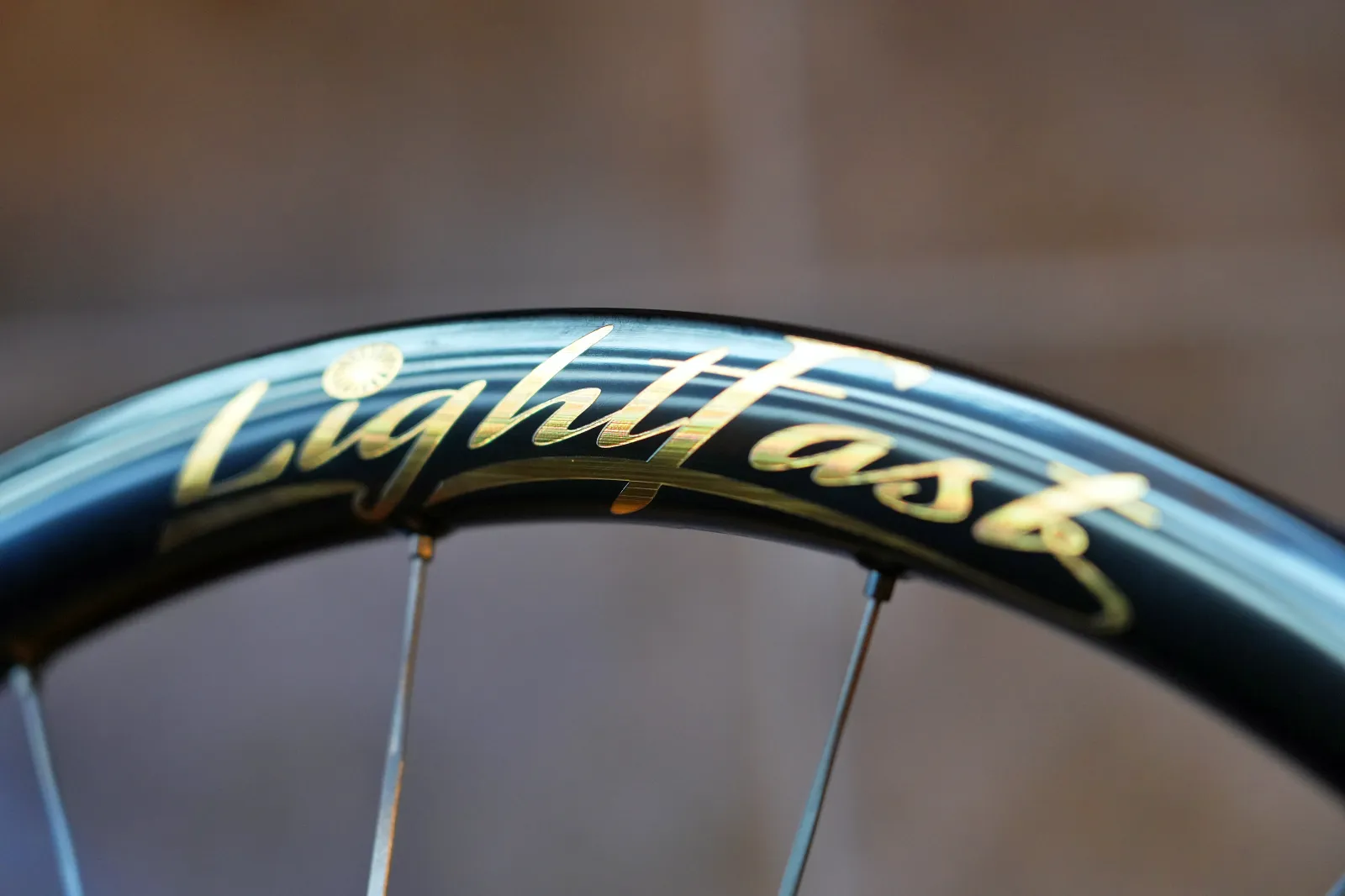
Compared to the 45-50mm height wheels I usually use, the LF X5 has a very different character. 45-50mm height wheels are good at maintaining speed once you've picked it up.
At cruising speeds above 35 km/h, the rim height offers aerodynamic advantages, and there's also a good rate of acceleration when you keep pedaling. If you're riding fast on flat terrain, this is the better option.
On the other hand, the LF X5's appeal lies in its lightness when picking up speed. You can easily feel the benefits of the light rim in situations such as climbing, starting from a stop at traffic lights, accelerating out of hairpin turns, and making quick turns on winding roads.
In short, the difference between the two can be summarized as follows: 45-50mm height wheels are naturally good at high-speed cruising, maintaining speed, and accelerating on flat ground. LightFast LF X5: Good at climbing, accelerating from low speeds, quick turns, and re-accelerating from hairpin turns.

The important thing isn't which is better, but the difference in intended use. If you prioritize flat cruising or high speeds, wheels with deeper rims are more suitable. On the other hand, if you want agility on climbs or mountainous courses, the LF X5 is the better choice.
When organized by intended use, the position of this wheel becomes clear.
Lightness can be an advantage, but it's not a panacea.
Despite being an ultra-lightweight wheel weighing under 900g, the LightFast LF X5 wasn't as finicky in real-world riding as I had imagined. There was little of the unreliable feeling that would make you uneasy from the start; in fact, its lightness was a clear advantage on climbs and at low speeds.
What was particularly impressive was the performance on inclines of around 10% on average, and when accelerating out of hairpin turns on climbs. The lightness of the wheels was especially noticeable when speed was reduced, resulting in a sharp response when pedaling again. Acceleration up to the low 30 km/h range was also brisk, making it well-suited for winding roads.
On the other hand, it lacks acceleration at high cruising speeds exceeding 35 km/h. Unlike wheels with a 45-50 mm height, it's not the type that allows you to easily maintain speed once you've picked it up. It's not a wheel you'd want to use for flat-based training rides of nearly 200 km, but rather suited for mountain rides or hill climb training of around 100 km.
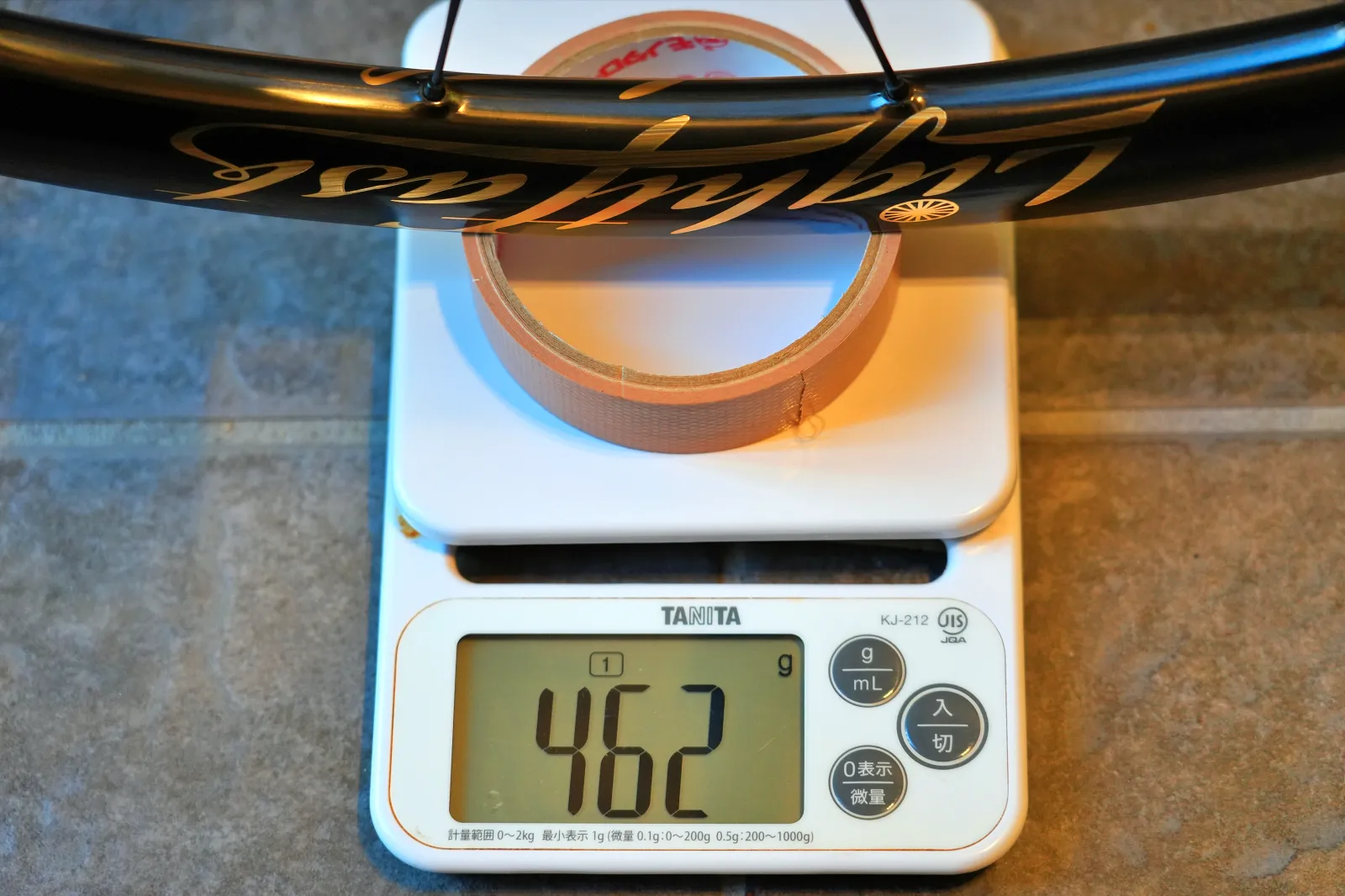
Furthermore, the ride is not stiff, but rather supple. This softness may be a matter of personal preference, but it can be an advantage on rough surfaces. I also felt it had potential for gravel riding.
The LF X5 is a strong option for hill climbers seeking weight reduction. However, rather than choosing it as an all-around wheel that can handle anything, it should be used specifically for climbing and mountainous courses.
Lightness is certainly an advantage. However, the situations in which that advantage is most effective are limited. The LightFast LF X5 was a wheel that clearly demonstrated this point.
Summary: For riders who prioritize climbing ability and agility.

The LightFast LF X5 is a model that combines the appeal of a lightweight wheel with a clear purpose-driven design. Its lightness is particularly noticeable on climbs, and acceleration response is sharp. Cornering is agile, and the entire bike feels light and responsive.
On the other hand, its high-speed cruising performance is modest. Compared to wheels with a height of 45-50mm, there is a clear difference when maintaining speed on flat terrain.
Therefore, the LF X5 is best suited for riders who prioritize climbing, acceleration, and agility over cruising performance on flat terrain. It's a good match for those who primarily focus on hill climbs, those who want a lightweight bike, and those who want to ride mountainous courses at a good pace.
Conversely, if you prioritize high-speed cruising on flat terrain or maintaining speed during long rides, you'll likely be more satisfied with wheels with a height of 45-50mm.
The LF X5 isn't a wheel designed for speed in every situation. However, if you're looking for lightness and responsiveness on climbs, it's a very attractive option.
Original article link: https://rbs.ta36.com/?p=75319


