

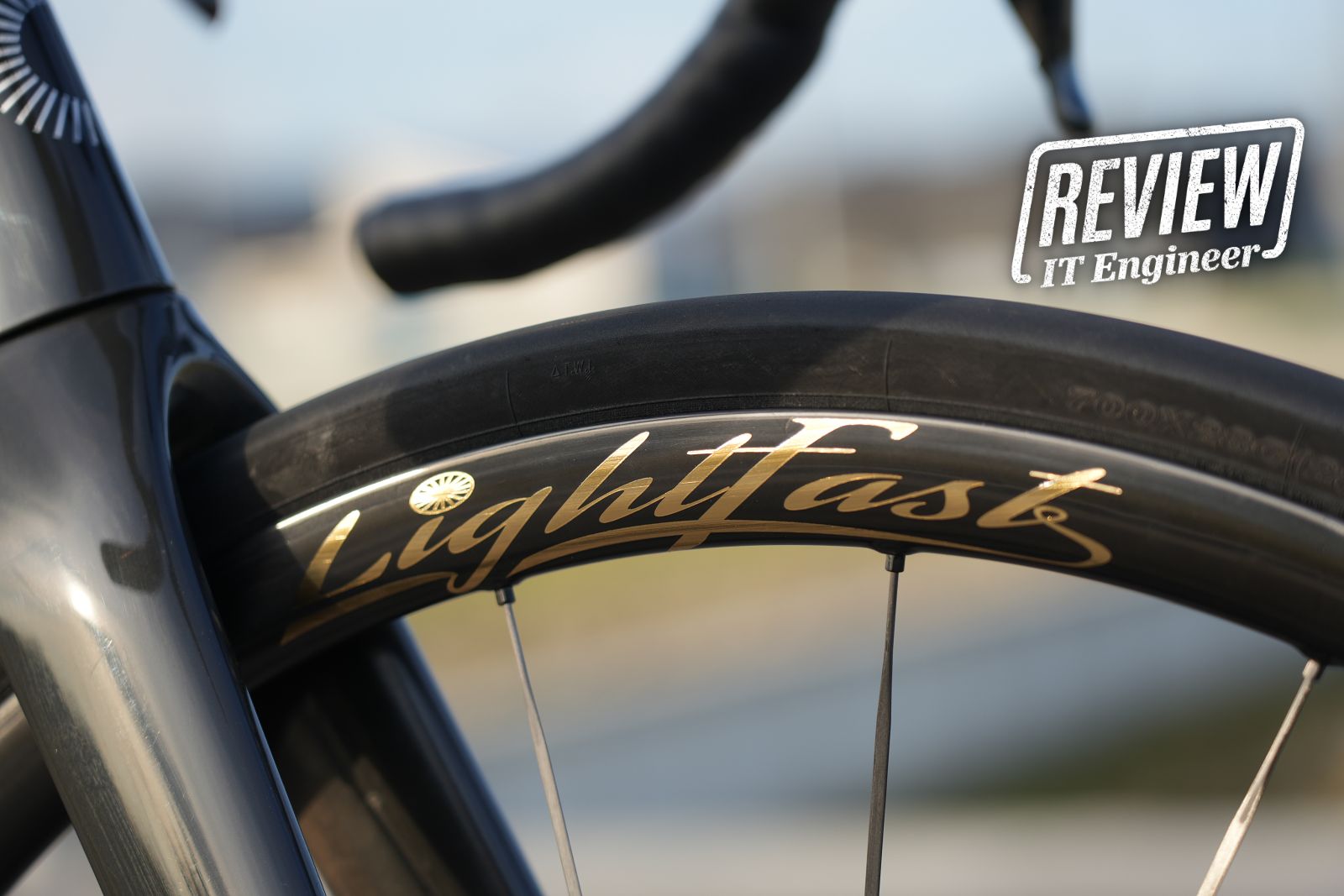
LightFast is a Chinese D2C brand, and the LF X5 is a wheel designed for extreme lightness, utilizing Toray T1000 carbon and 6th generation carbon spokes. It features an unpainted finish, a 45T ratchet hub, ceramic bearings, and is designed specifically for disc brakes. While its lightweight specifications are a key feature, the reliability of this emerging brand and its real-world performance will be crucial factors in its evaluation.
- ➕️ Extremely lightweight design of +829g
- ➕️ Adoption of Toray T1000 carbon
- ➕️6th generation carbon spokes weighing approximately 2g each
- ➕️ Equipped with a 45T ratchet hub and ceramic bearings
- ➕️A wide variety of rim height options to suit your needs.
- ➖️ The gold logo is a matter of personal preference.
- ➖️ It is unclear whether it is a "sixth generation" Pokémon.
The pair weighs 829g.
When I saw this number, I thought, "Have we entered an era where wheels weigh under 900g, not just 1,000g?" The LightFast LF X5 is an ultra-lightweight wheel that uses carbon spokes.
With a nominal weight of 829g (±30g) for the lightest 30mm rim height configuration and 1,019g for the 45/45mm configuration, these wheels are several hundred grams lighter than high-end models such as the Lightweight Meilenstein ART (1,190g), Roval Alpinist CLX III (1,131g), and Zipp 353 NSW (1,308g/approximately 650,000 yen).
Moreover, the price is just under 200,000 yen. What lies behind these impressive figures? In this review, we will delve into the LF X5 by examining official manufacturer information, competing products, carbon spoke technology, and more.
Who is LightFast?
Chinese D2C brands
LightFast is an online-only wheel brand with no physical stores. Actual manufacturing takes place in factories in mainland China. LightFast itself has not specified its founding date, but it appears to have officially launched around 2022-2023.
The product line is broadly divided into carbon spoke systems (LF CSA, LF CSB, LF CSA PRO, LF CSB PRO, various Wide Versions, LF X series) and steel spoke systems (LF DT350, LF PRO S50), with the LF X5 being the flagship model at the top of the range.
Extremely lightweight: 829g
The full details of the nominal weight
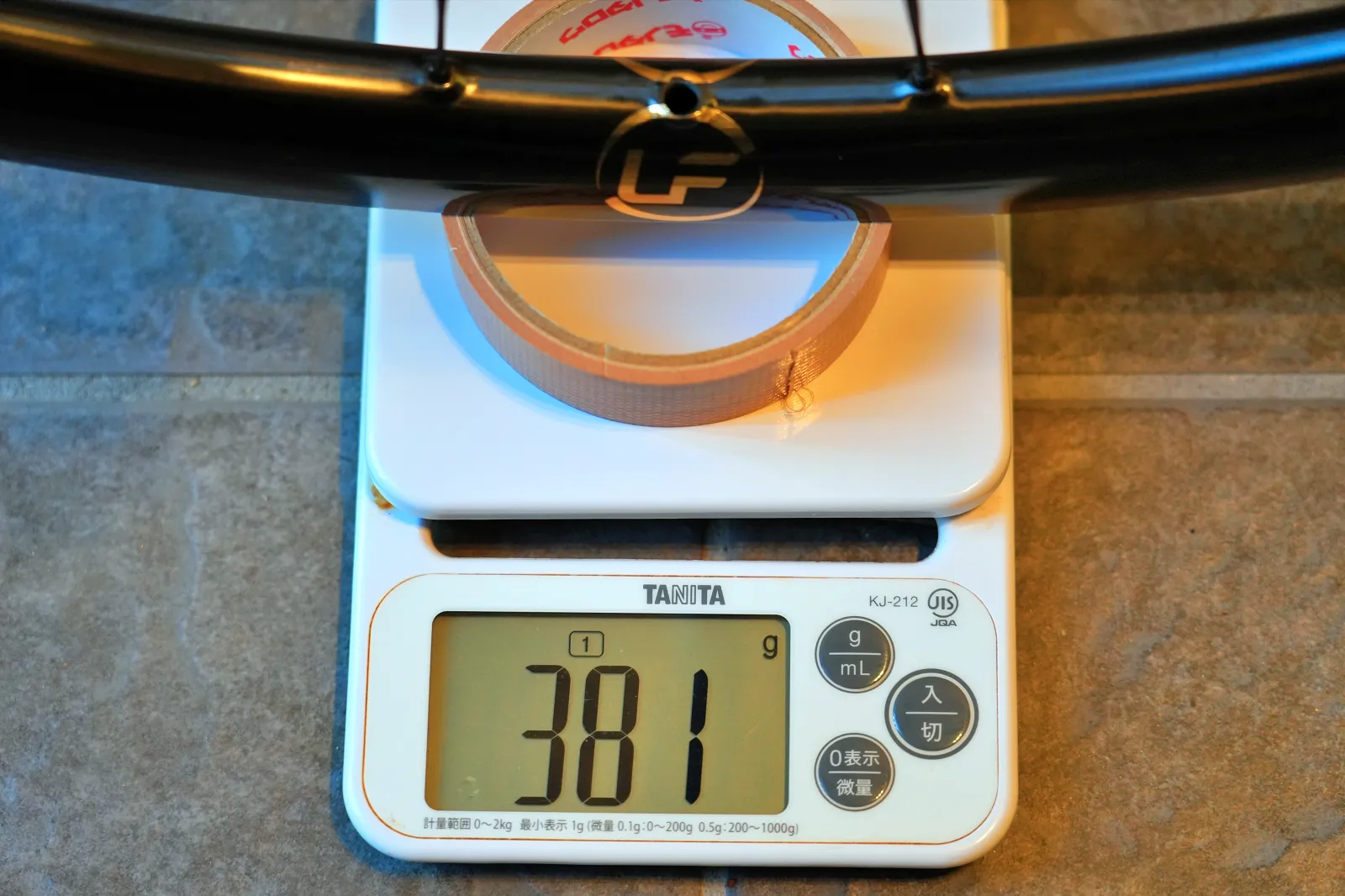
The LF X5 is available in eight variations with different rim heights, all designed specifically for disc brakes. The nominal weights are as follows, all including a ±30g manufacturing tolerance.
| Rim height (front/rear) | Nominal pair weight |
|---|---|
| 30/30 mm | 829 g |
| 35/35 mm | 979 g |
| 45/45 mm | 1,019 g |
| 50/50 mm | 1,039 g |
| 60/60 mm | 1,159 g |
| 35/45 mm (mixed) | 999 g |
| 45/50 mm | 1,029 g |
| 50/60 mm | 1,099 g |
However, this figure is a factory measurement excluding rim tape, tubeless valves, and lock rings. Please note that these accessories will add approximately 15-25g during actual riding.
For comparison, the Roval Alpinist CLX III's official specification sheet lists the weight as 1,131g (15g including tape and valve), indicating a difference in disclosure practices.
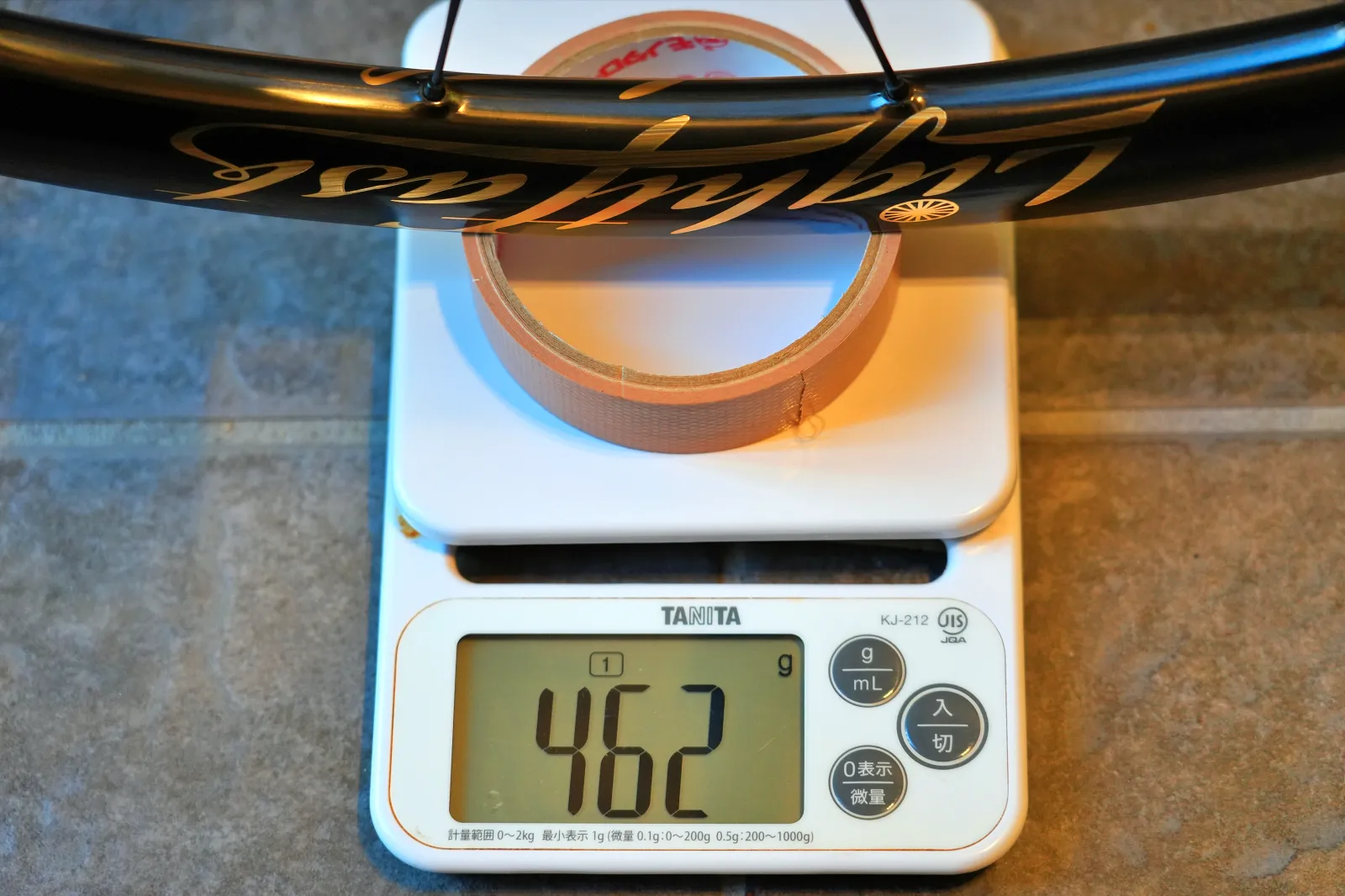
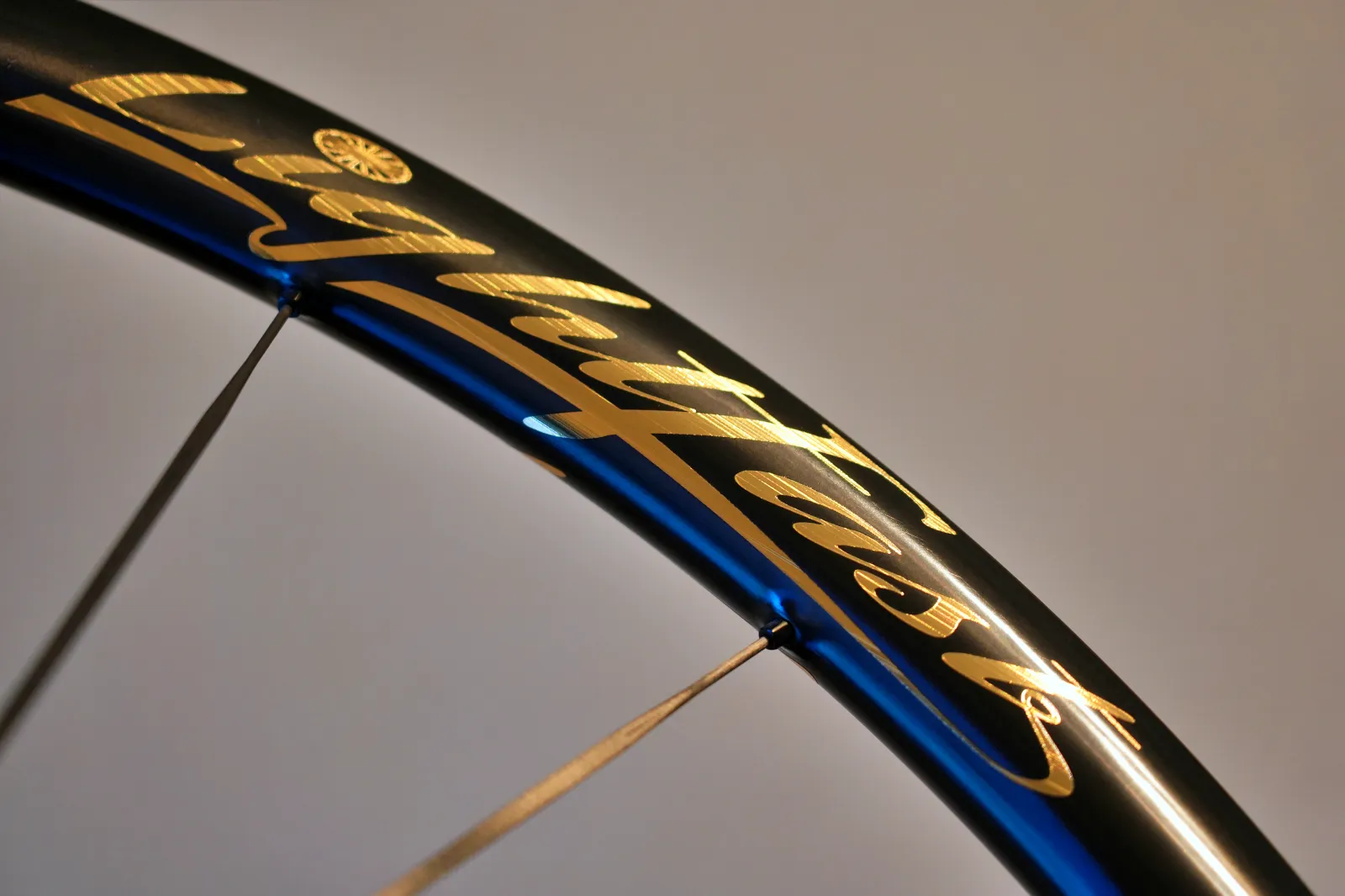
Toray T1000 carbon fiber with unpainted finish
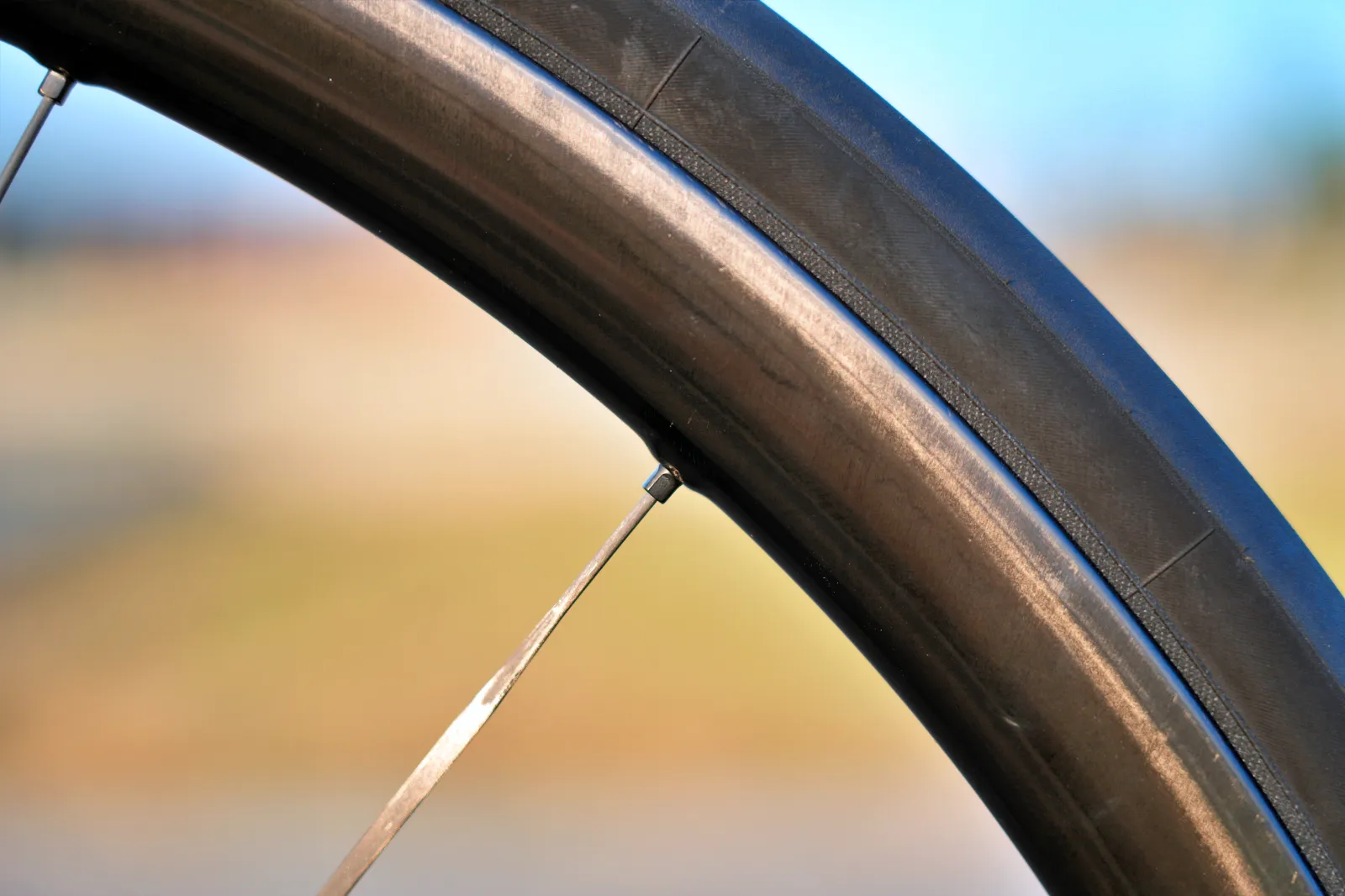
LightFast uses aerospace-grade Toray T1000 carbon fiber for its rim material and is molded using a combination of precision braiding and high-temperature curing resin.
According to Toray's public catalog, T1000 is a high-strength, high-modulus intermediate material with a tensile strength of 7,060 MPa and a tensile modulus of 294 GPa, making it a suitable choice for lightweight and highly rigid rim molding. However, batch certification from Toray and material verification according to composite industry standards cannot be confirmed.
While the T1000 and T800 designations are commonly used in the Chinese OEM wheel industry, it cannot be ruled out that these are actually equivalent products from domestic Chinese suppliers.
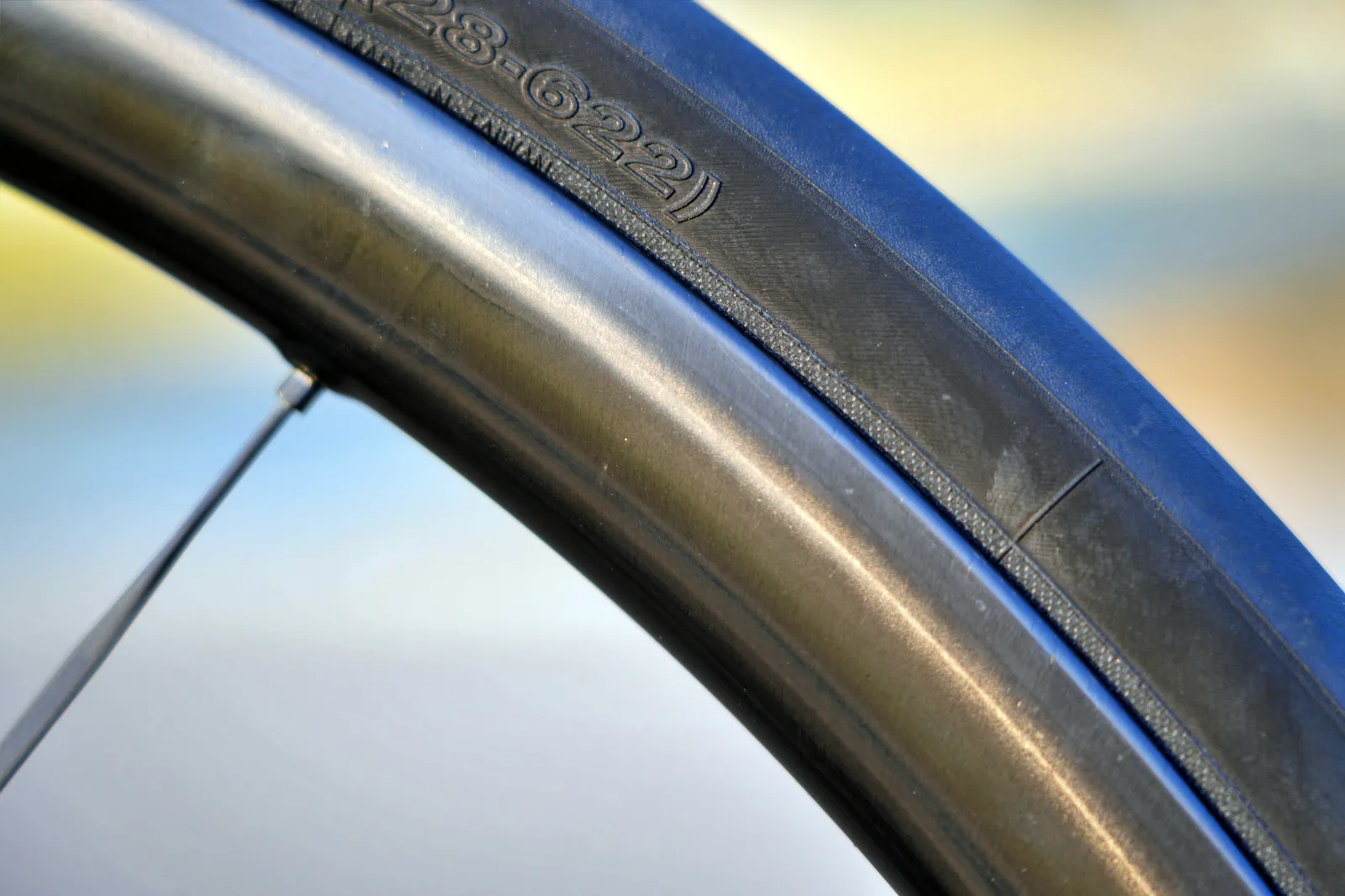
However, Lightweight, ENVE, and Zipp also do not disclose details of their material sourcing routes, and their quality is guaranteed through independent testing, which sets them apart.
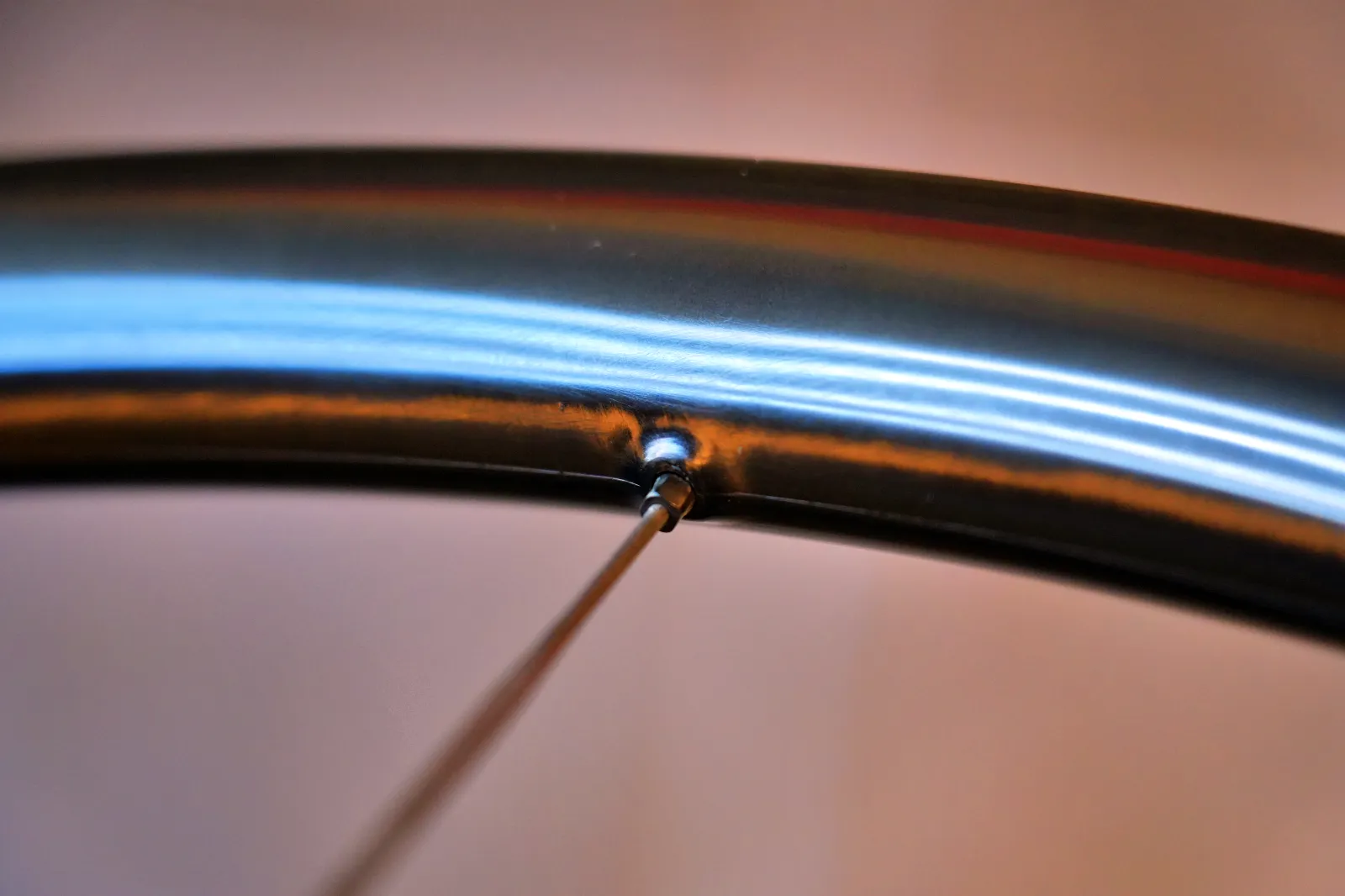
An unpainted matte finish is a technique that completely eliminates the mass of the coating layer. Generally, the coating layer accounts for about 20 to 40 grams per pair, so even this elimination alone has a significant weight-saving effect.
In addition, it contributes to shortening the manufacturing process. On the other hand, the risk of deterioration of the resin layer over time due to UV irradiation, sweat, and chemicals may be higher than with products that have a protective coating. The finish, which exposes the beautiful carbon fiber surface, is appealing to owners but requires a certain level of care in handling.
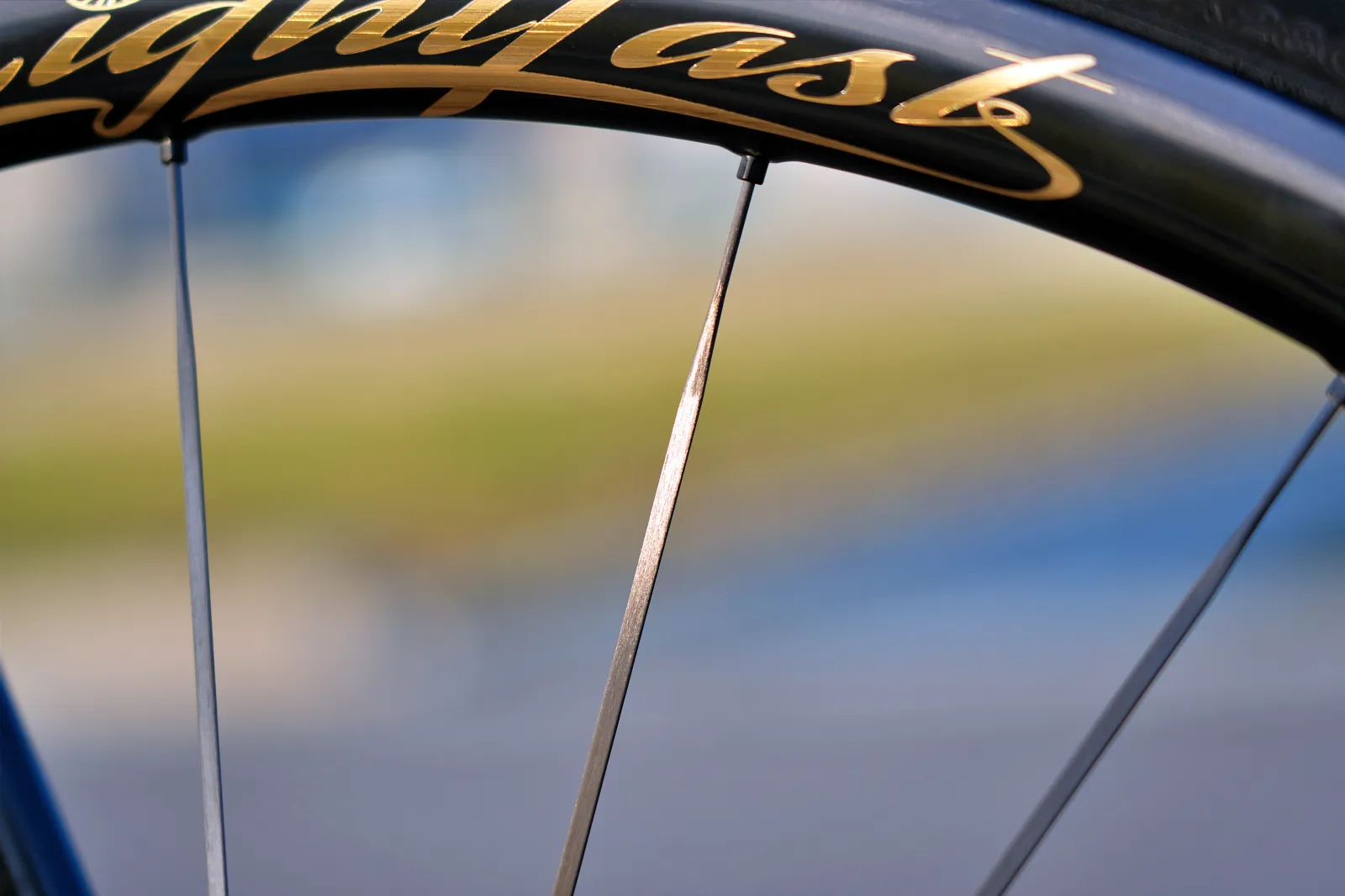
6th generation spokes, 2g each.
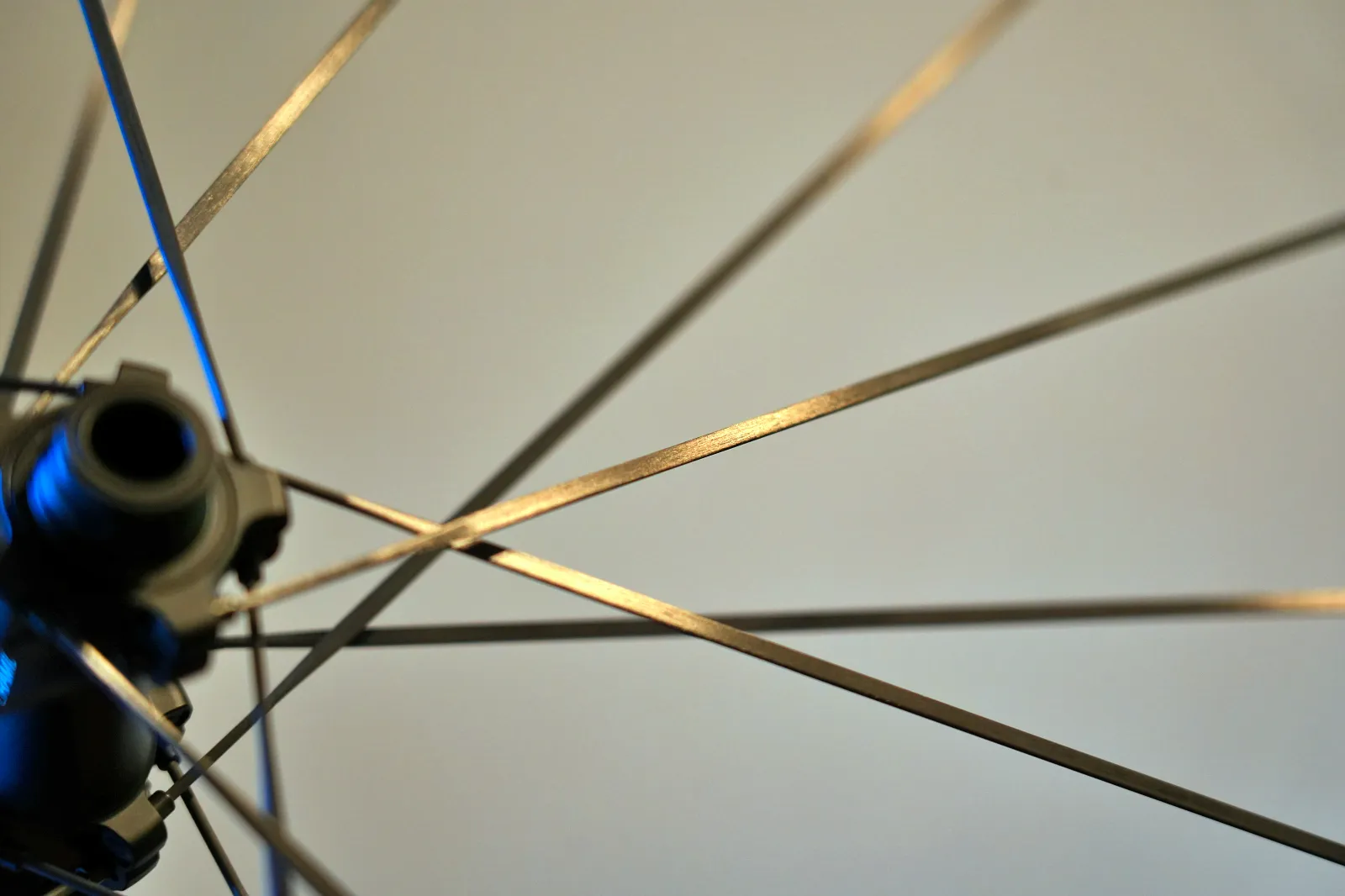
The LF X5 uses 6th generation LightFast carbon spokes. Each spoke weighs approximately 2g (excluding nipples), which is less than half the weight of typical stainless steel spokes (approximately 4.5g for Sapim CX-Ray, and around 4g for Pillar Wing 20).
The spokes feature a black titanium alloy interface at both ends, designed to mitigate galvanic corrosion (electrolytic corrosion) between dissimilar metals. The company claims this represents a further weight reduction from the previous generation (2.8g/spoke).
The technical advantages of carbon spokes are supported by multiple independent technical analyses. In a lateral stiffness test published by Hunt Bike Wheels, the carbon spoke configuration showed 6% higher lateral stiffness than the steel spoke configuration, despite having four fewer spokes.
Elitewheels' technical explanation also reports a 7-8% improvement in stiffness. Regarding air resistance, a reduction of 2-5W is generally observed at speeds above 40km/h. The improved acceleration response due to the reduction in rotational mass is easily noticeable during hill climbs and attacks.
45T ratchet hub and ceramic bearings
Ratchet system specifications
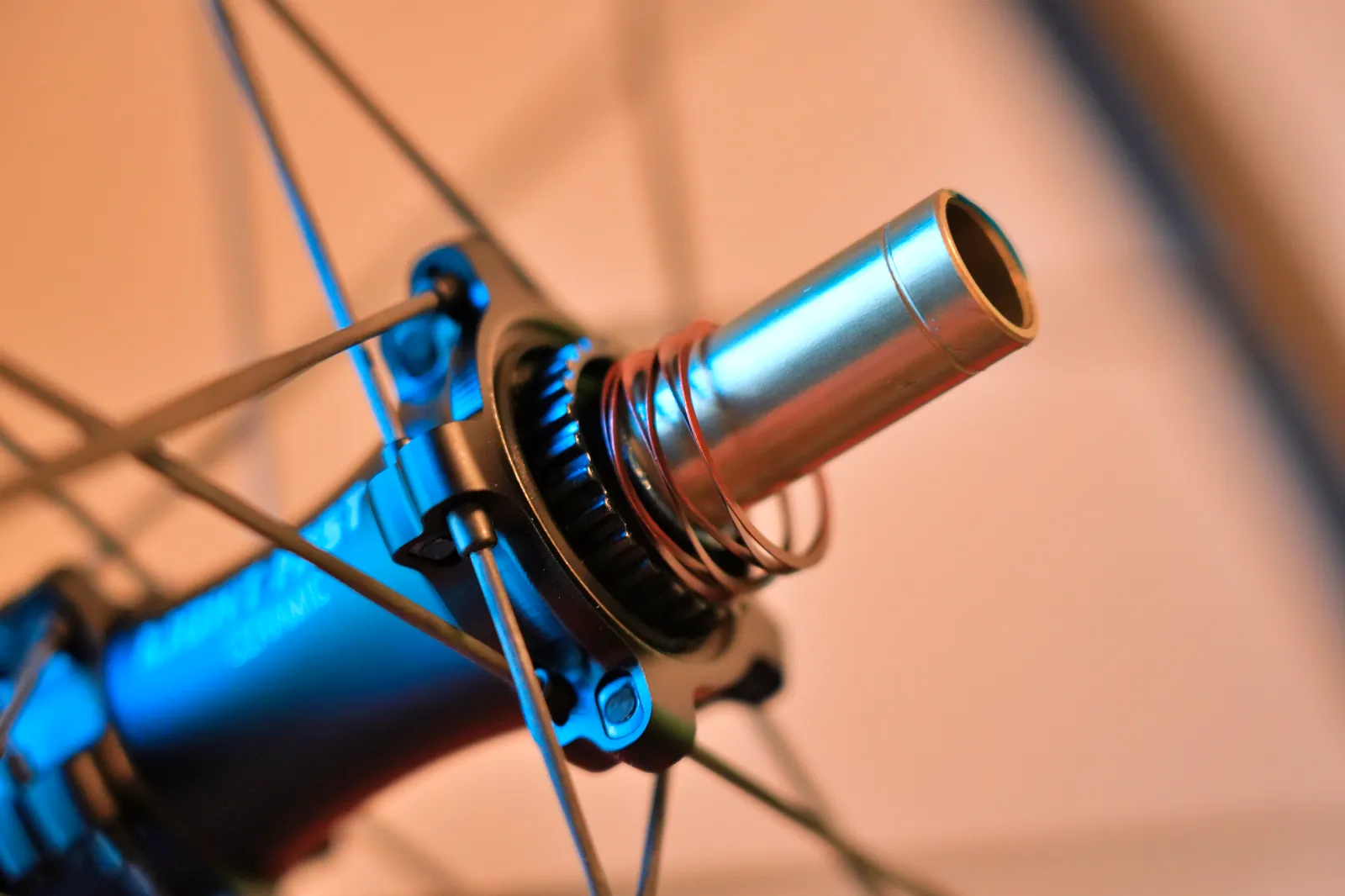
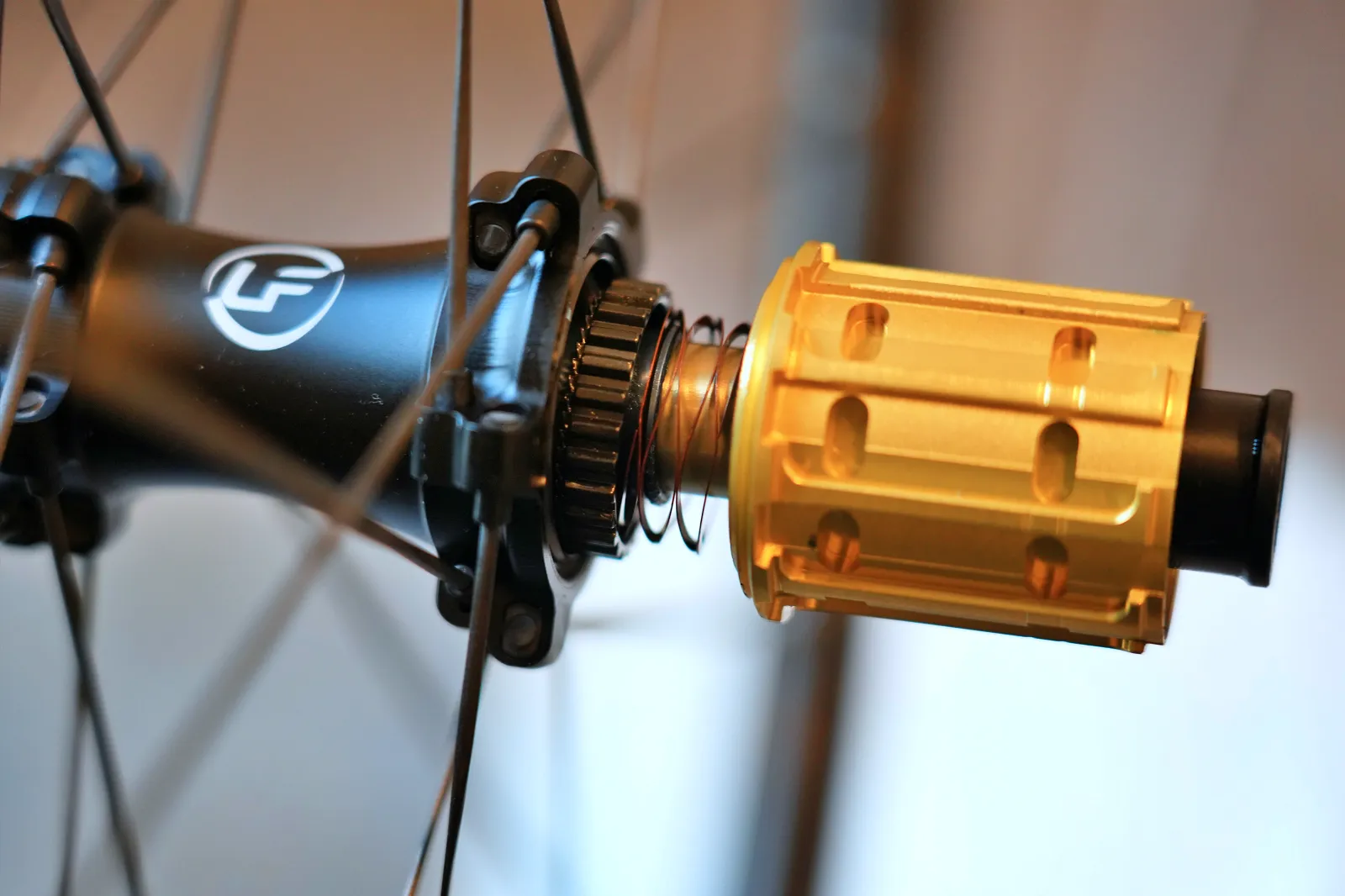
The LF X5 hub features a 45T ratchet system. It's a star ratchet mechanism composed of 45 teeth, with an engagement angle of 8 degrees.
The free-spinning angle from the start of pedaling until the driving force is transmitted to the rear wheel is 8 degrees, which is a well-balanced setting that achieves quicker engagement than 36T (10 degrees) while avoiding the overly tight feeling of 54T (6.7 degrees).
This structure operates on the same principle as DT Swiss's Star Ratchet system and is presumed to be a clone or OEM compatible version of DT's EXP/Classic design.
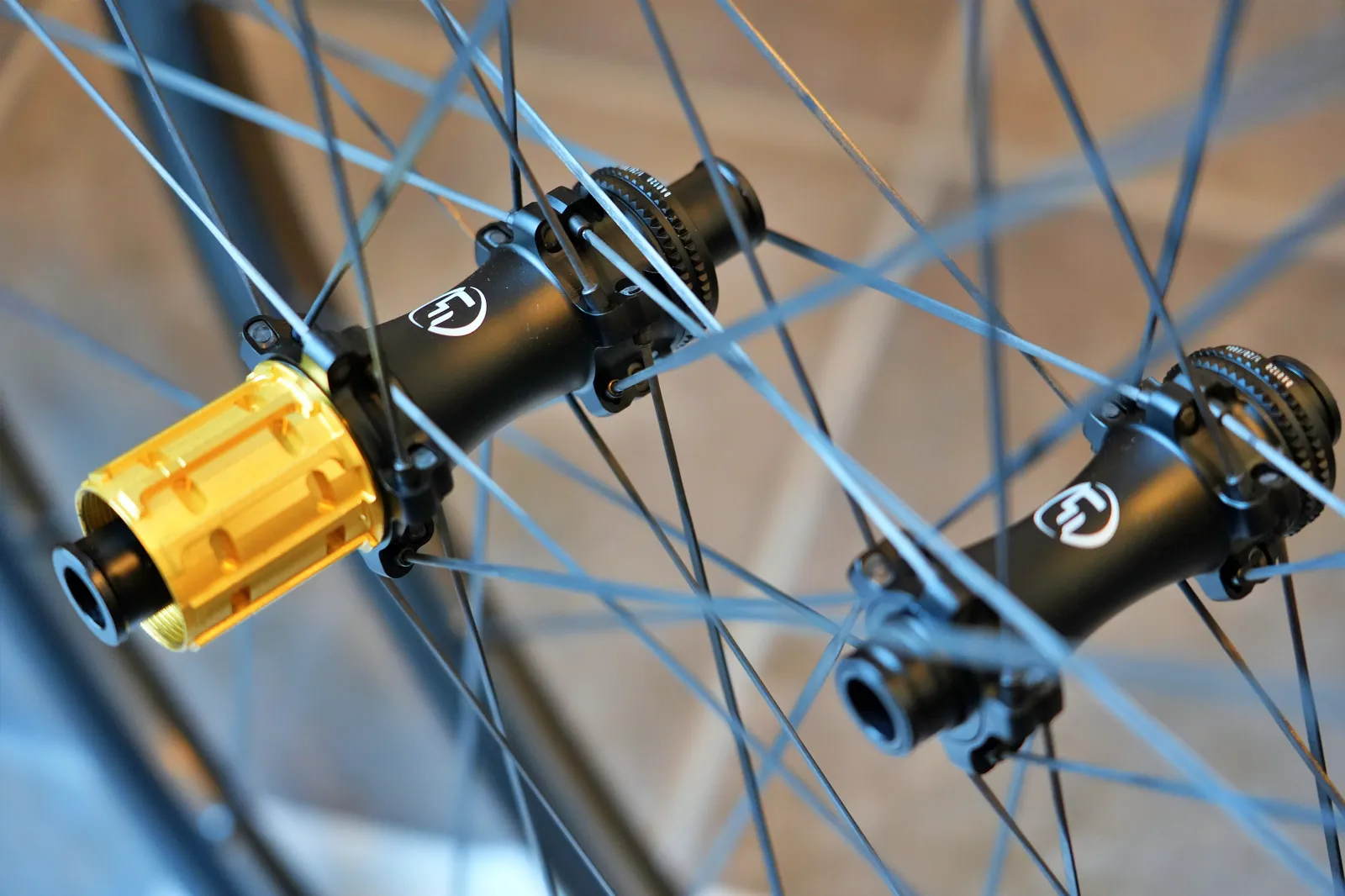
However, the supplier manufacturer (potential candidates include Chinese OEMs such as BiteX, Novatec, and Goldix) is not specified, and compatibility with genuine DT Swiss ratchets (such as whether a 54T upgrade is possible) cannot be confirmed.
TPI ceramic bearings
The bearings will be ceramic bearings manufactured by TPI (Tung Pei Industrial). TPI is a bearing specialist manufacturer based in Taoyuan, Taiwan, founded in 1966. It has a history of technical collaboration with NTN and its sales in 2023 were approximately $209 million.
The product page for the Taiwan Excellence Awards states that a 0.3-second time reduction was confirmed in tests conducted by Olympic track and field athletes, demonstrating the supplier's top-class reliability.
However, it has not been officially stated whether the bearings installed in the LF X5 are full ceramic or hybrid.
The freehub is compatible with three standards: Shimano HG 11/12 speed, SRAM XDR, and Campagnolo. The dropout standards are 12x100mm for the front and 12x142mm for the rear thru-axle, and the disc rotors are center-lock type.
It fits almost all current road bike frames.
A wide range of rim height options—the optimal solution for each application.
Which rim height should I choose?
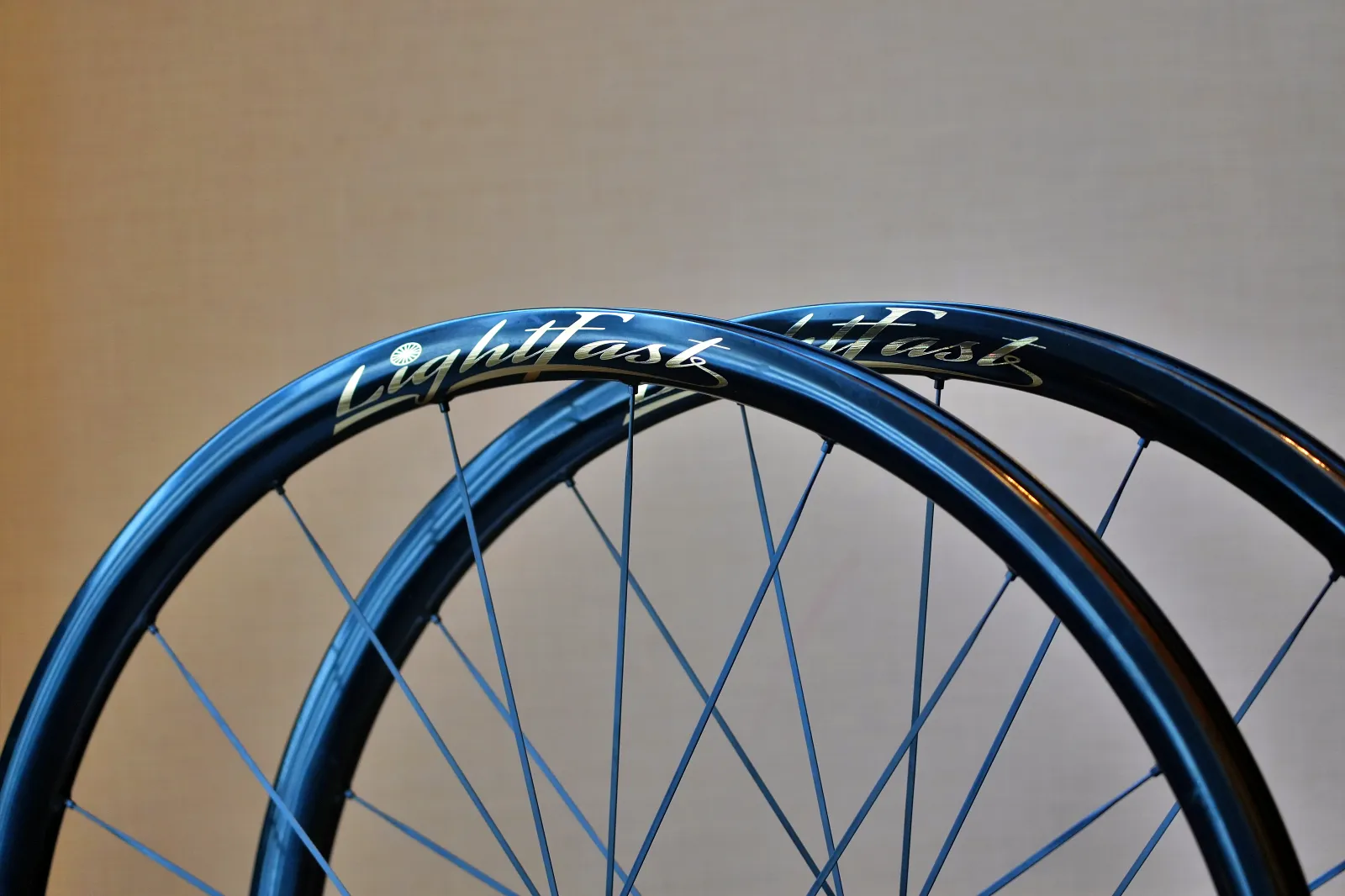
One of the key features of the LF X5 is that it offers a total of eight configurations to choose from, including five settings from 30mm to 60mm, plus three front/rear mixed configurations.
All variations share a common outer width of 34mm and an inner width of 25mm, and feature a hooked bead tubeless-ready design. Compatible tire widths range from 25 to 43c, with 28 to 33c being the recommended width.
To summarize the recommendations by intended use, the 30/30mm (829g) is purely specialized for hill climbing. It's a lightweight weapon for the Norikura and Fuji Hill Climb.
The 35/45mm or 45/45mm (999-1,019g) configuration offers the best balance and is an all-around setup suitable for a wide range of riding conditions, including criteriums, enduros, and 200km-class long rides.
50/50mm and 50/60mm (1,039-1,099g) are suitable for time trials and triathlons mainly on flat roads. 60/60mm (1,159g) is the choice to maximize aerodynamic advantage in flat road races with strong headwinds.
Hooked and tubeless ready
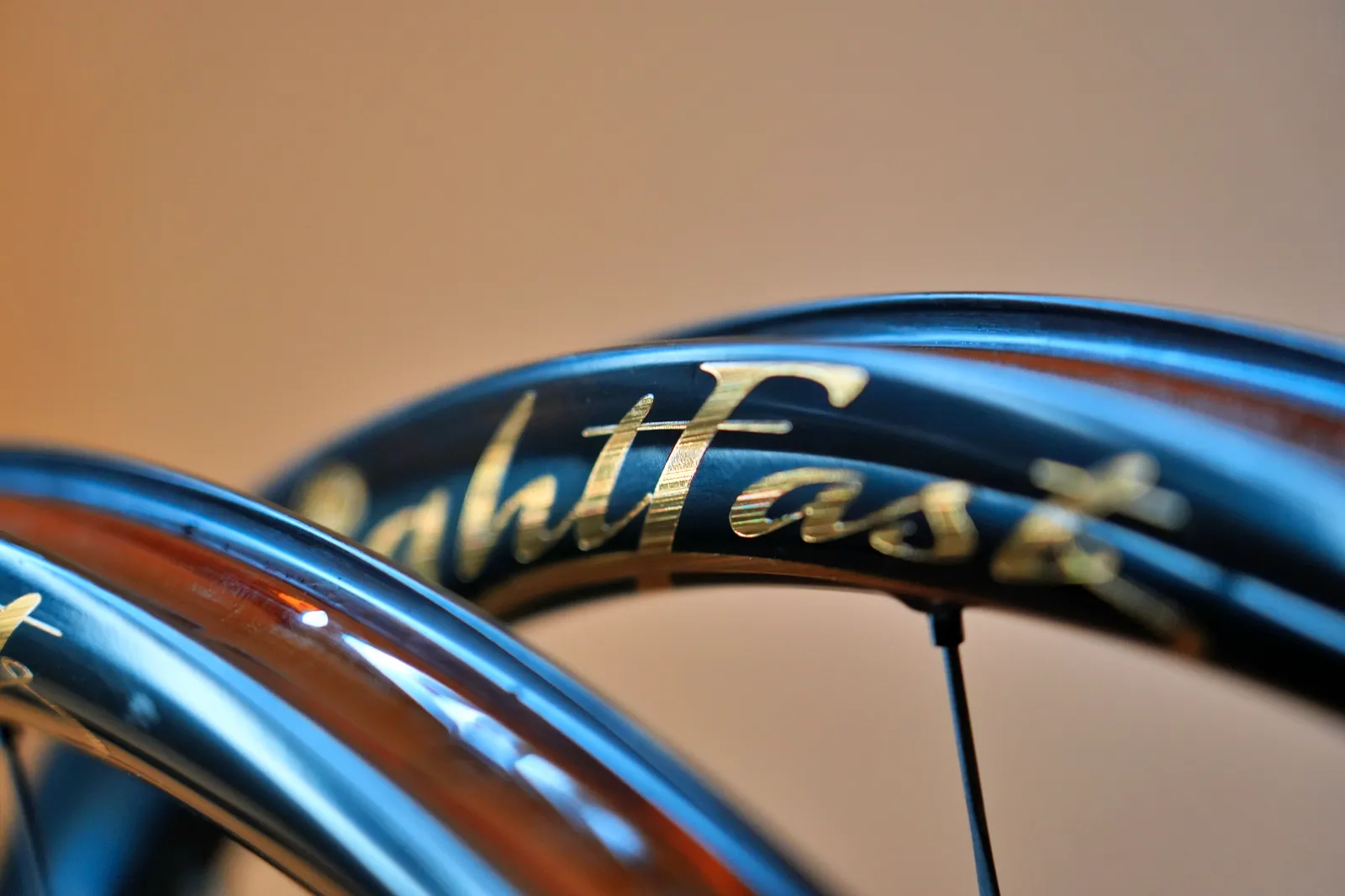
The adoption of hooked tires is a choice in contrast to the hookless approach taken by the Zipp 353 NSW, and clearly offers advantages in terms of tire compatibility and flexibility in air pressure settings.
With hookless rims, only manufacturer-approved tires can be used, and there are limitations on high-pressure settings. However, with hooked beads, a wide range of major tubeless-ready tires can be selected, such as Schwalbe Pro One, Continental GP5000 TL, and Pirelli P ZERO Race TLR.
The tubeless rim tape is pre-installed at the factory, minimizing setup effort.
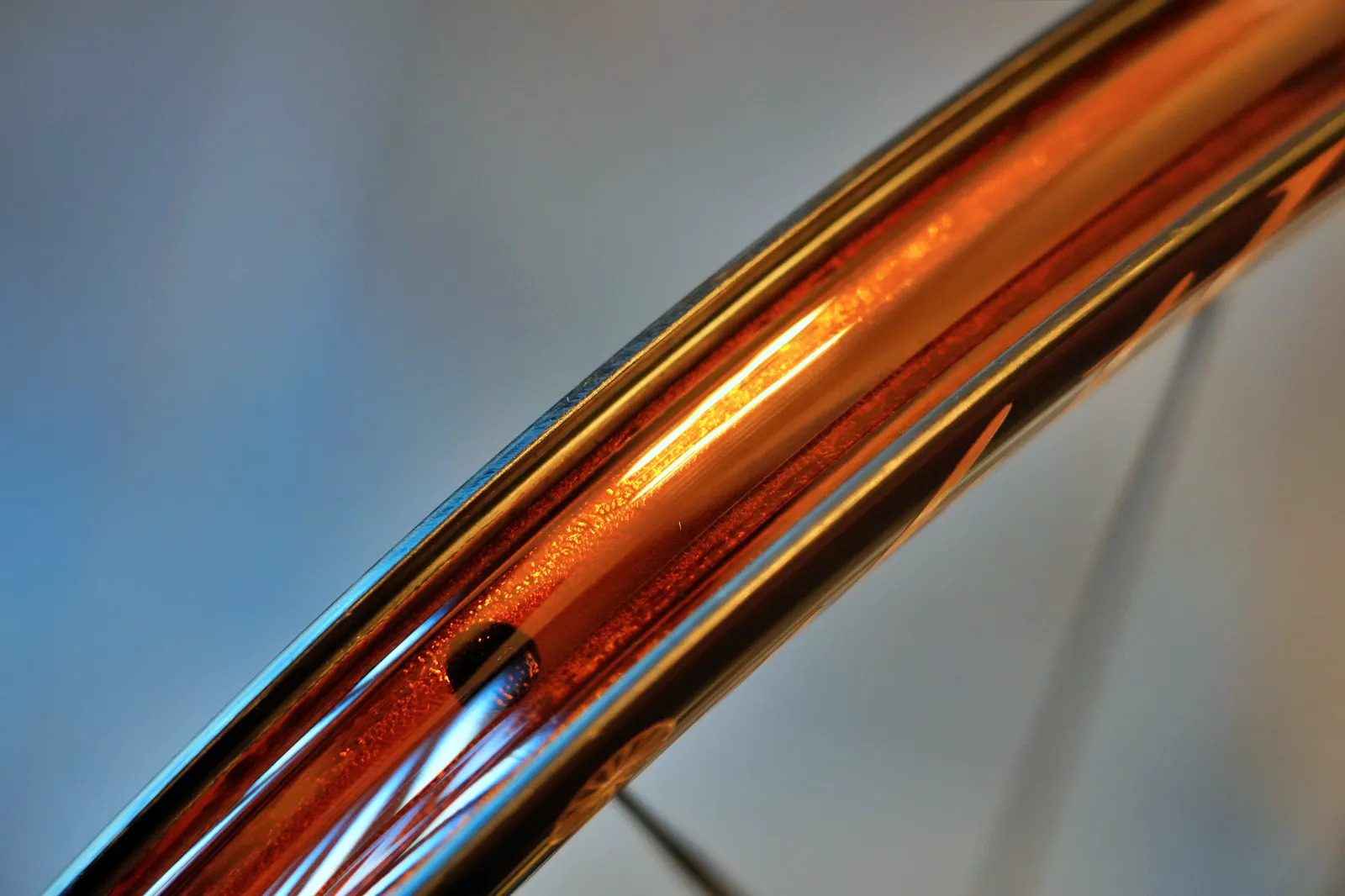
Regarding the rim profile, LightFast explains that its superior aerodynamic shape delays airflow separation. However, quantitative data from CFD simulations and wind tunnel tests have not been made public.
In contrast to Lightweight Meilenstein ART, which defines its own Aero-Mass Index, and major players like Zipp, which present measured yaw angle data, claims about aerodynamic performance remain at a qualitative level.
Design Philosophy
Designed specifically for discs and lightweight construction
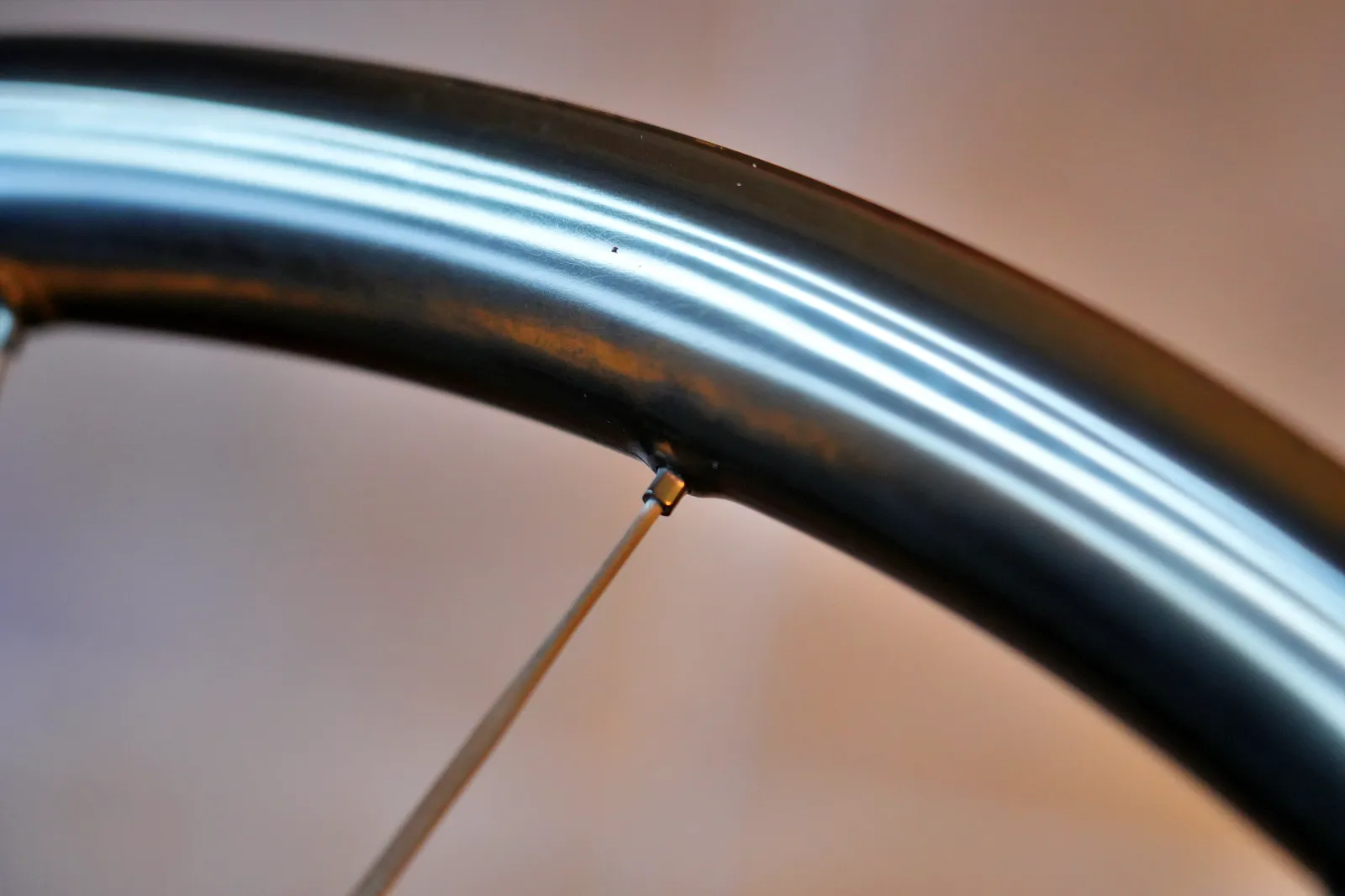
In rim brake wheels, an additional layer of material is required on the outer circumference of the rim to provide heat resistance and wear resistance to the braking surface (brake track). This layer typically adds about 20 to 40 grams of mass per wheel.
With a disc brake-specific design, this layer can be completely eliminated, greatly expanding the freedom for optimizing the rim shape and reducing weight. This disc-specific design is a major factor in the LF X5 achieving an extremely low weight of 829g per pair.
The disc rotor is mounted using a center-lock system. While there is no official manufacturer specification regarding the maximum rotor diameter, a standard 160mm is assumed, and it is believed that it can also be used in conjunction with a 140mm rotor.
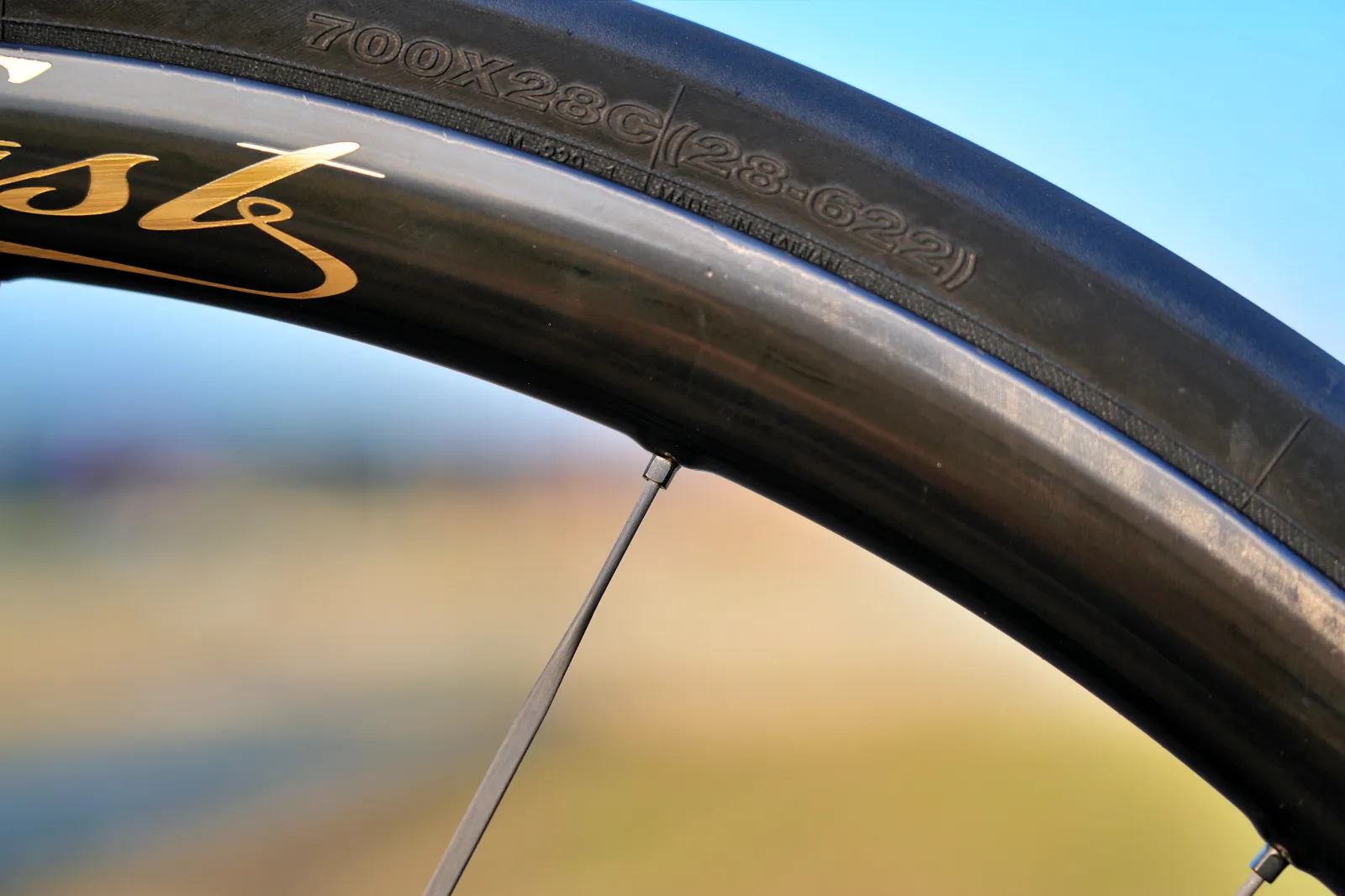
Because the braking heat from disc brakes is not directly transferred to the rim, the risk of thermal damage to the resin matrix of carbon rims is significantly lower compared to rim brake systems. This is an essential advantage for the long-term durability of carbon rims.
Is an unpainted finish an aesthetic choice or a compromise?
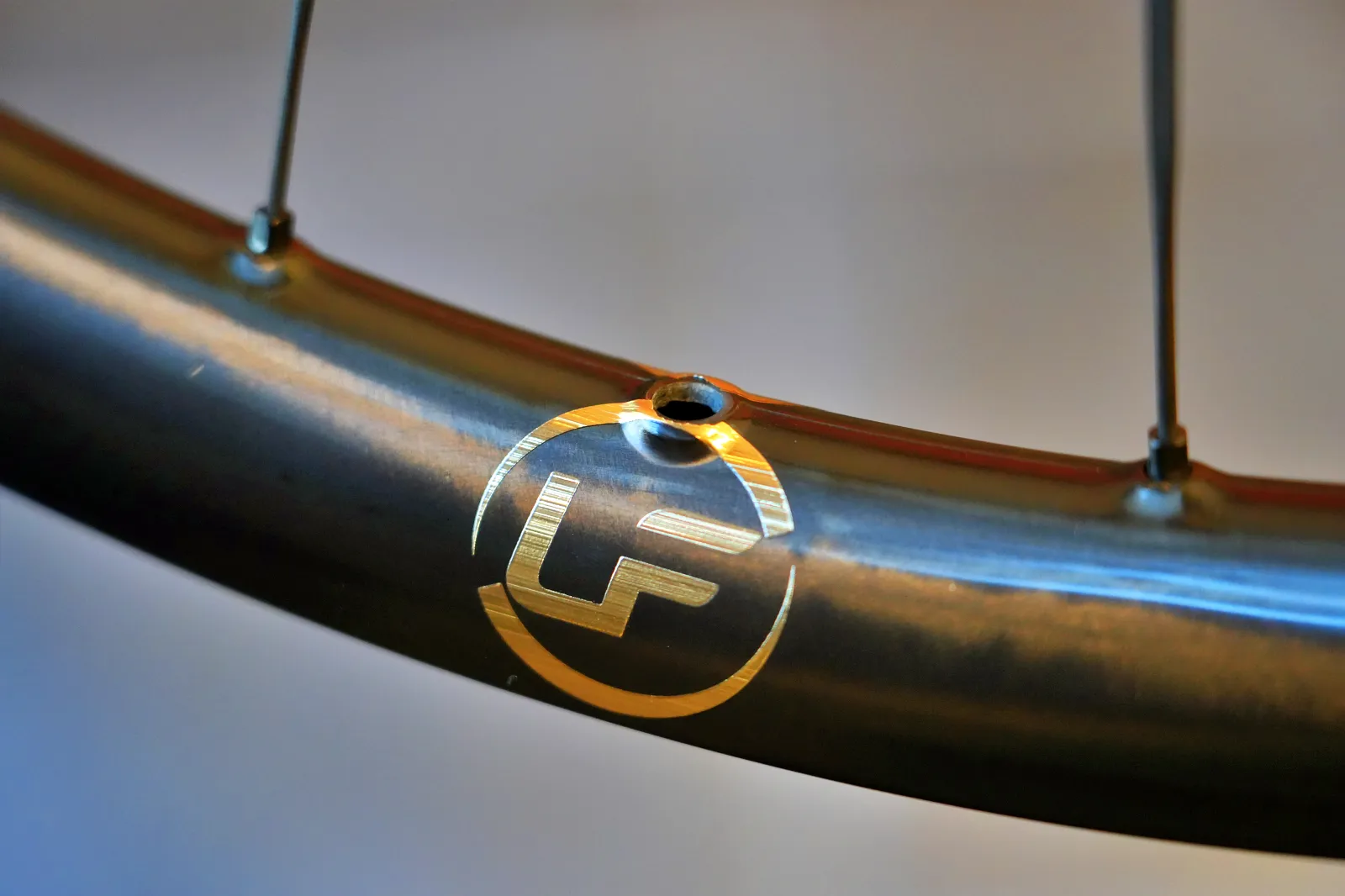
The paint-free finish is a design decision that combines the practical benefits of weight reduction and manufacturing efficiency with the aesthetic appeal of showcasing the natural texture of the carbon fiber.
However, the surface resin's resistance to ultraviolet rays and chemicals (sweat, chain lube splashes, brake fluid, etc.) may be inferior to that of products with a clear coat or protective coating.
With long-term use, it is necessary to carefully monitor for surface whitening and the appearance of micro-cracks. LightFast claims that the structural rigidity of the carbon laminate is maintained, but the deterioration of its appearance over time is a separate issue. Regular application of UV protectant is worth considering as a preventative measure.
The LF X5's position as seen through comparison with competitors
Is the price difference due to a difference in technology or a difference in brand?
The most striking feature of the LF X5 is its overwhelming price advantage over its competitors. A comparison with its main competitors is summarized below.
| Model | Pair weight | Reference price (excluding tax) | Inner width/outer width | Spoke type |
|---|---|---|---|---|
| LightFast LF X5 45/45 | 1,019 g (±30) | Approximately 160,000 to 270,000 yen | 25/34 mm | carbon |
| Lightweight Meilenstein ART 45 | 1,190 g | Approximately 1.08 to 1.4 million yen | 22.9/28.6 mm | carbon |
| Roval Alpinist CLX II 33 | 1,265 g | Approximately 470,000 yen | 21/27 mm | stainless |
| Zipp 353 NSW 45 | 1,308 g | Approximately 650,000 yen | 25 mm | stainless |
| ENVE SES 3.4 | Approximately 1,420 g | Approximately 430,000 yen | 21/29 mm | stainless |
| Princeton Blur 633 V4 | Approximately 1,500 g (estimated weight for a pair) | Approximately 470,000 to 670,000 yen | 23 mm | stainless |
The Lightweight Meilenstein ART has a 45mm rim height, weighs 1,190g, and costs approximately 1.08 to 1.4 million yen. The LF X5, on the other hand, has the same rim height but weighs 1,019g, which is 170g lighter, and is offered at 1/4 to 1/5 of the price. It is about 300g lighter than the Zipp 353 NSW and also has the advantage of tire compatibility due to its hooked structure.
Looking solely at the numbers, the LF X5 offers overwhelmingly superior cost-effectiveness.
However, premium offerings from Europe and the US have elements that LightFast lacks.
Years of accumulated independent testing data (wind tunnel, impact, fatigue). A global spare parts supply network. Proven durability through real-world use by professional teams. A network of authorized dealers in various countries and local language support systems. And official inclusion on the UCI Approved Equipment List.
Princeton CarbonWorks was founded in Massachusetts in 2012, manufactures its products in Mystic, Connecticut, and has a track record of sponsoring INEOS Grenadiers and supplying equipment to Filippo Ganna for the World Championships pursuit race. European and American brands have a history of proving the quality of their products through race results.
LightFast doesn't have a history yet.
System weight limit
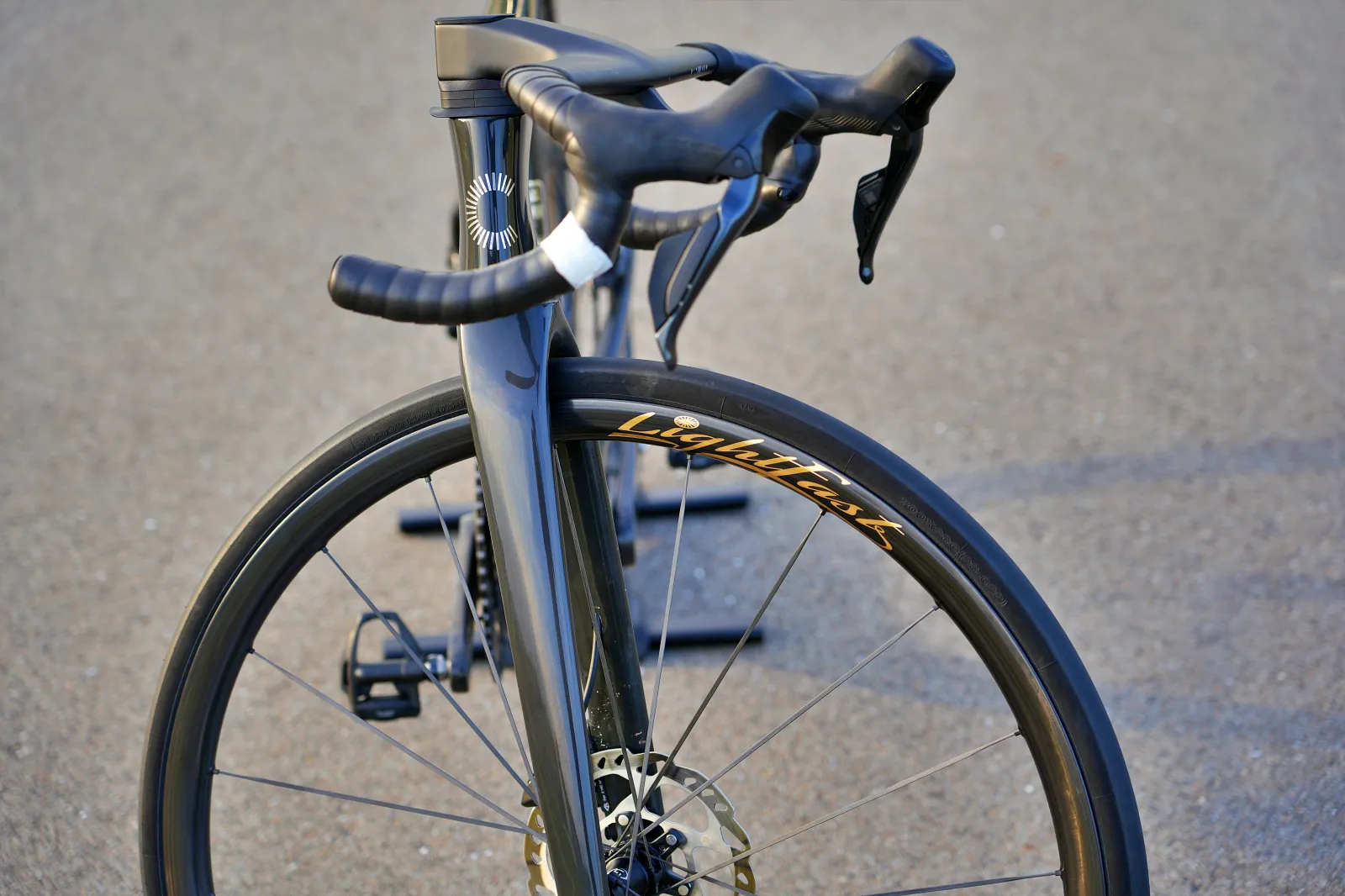
The LF X5's system weight limit is 110-120 kg (total of rider + bike + personal belongings).
This is roughly equivalent to the Roval Alpinist CLX II at 125kg and the Lightweight Meilenstein EVO at 120kg. In the Japanese environment, the average weight range is 7-8kg for the bike + 60-75kg for the rider + 2kg for personal belongings = 70-85kg total, which is more than enough for most riders.
However, riders weighing over 85kg are advised to consider products from other manufacturers.
Expectations and skepticism towards emerging brands
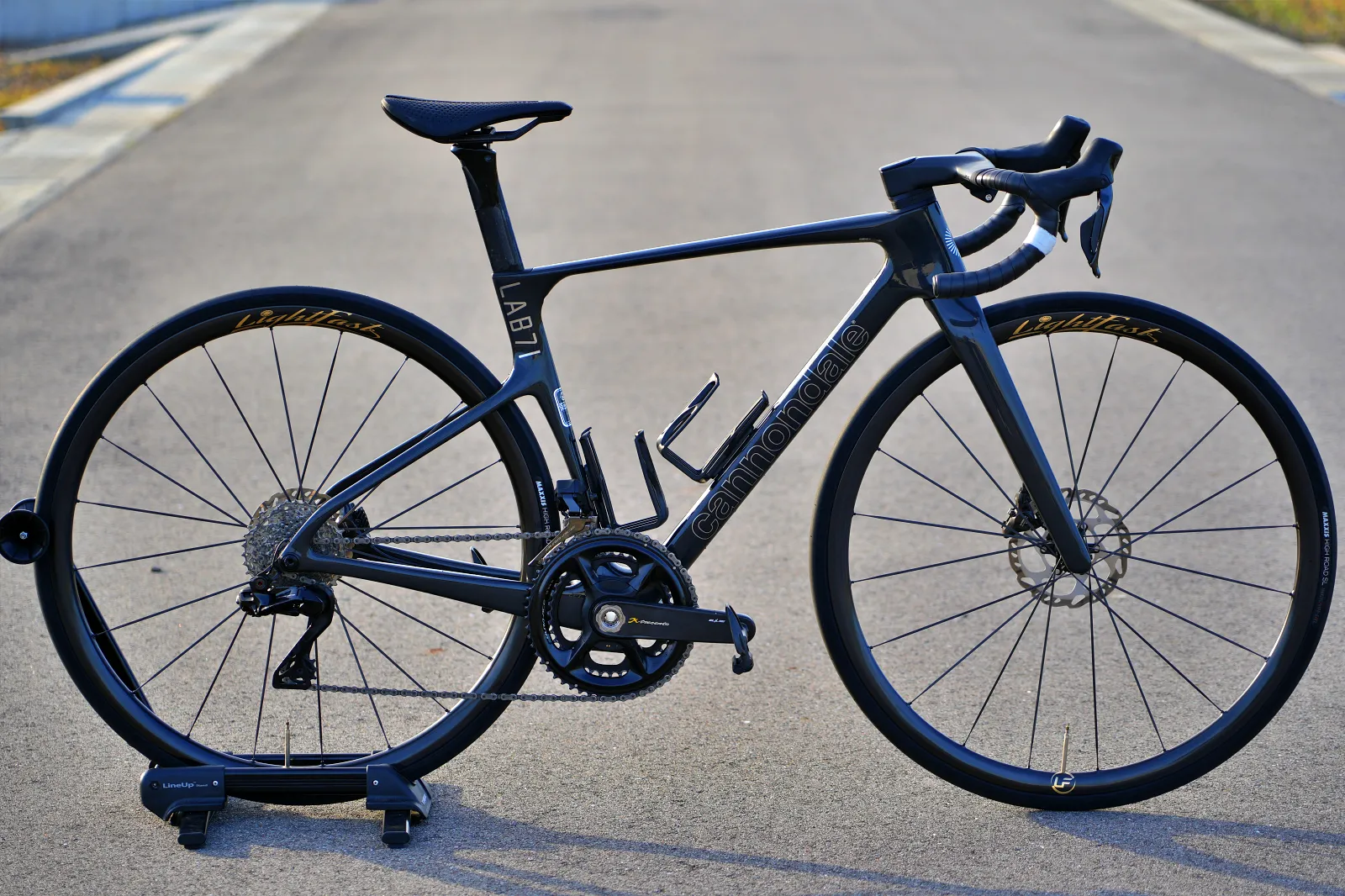
I myself have used various wheels, but many other companies offer products with similar specifications, and I can't see any special differentiating features.
A detailed impression will be published in a separate article.
The essence of choosing wheels
Is it okay to choose equipment based solely on specifications?
The figure of 829g is indeed shocking.
However, the essence of choosing wheels isn't about comparing numbers. The responsiveness the moment you press the pedal, the sense of security in corners, how much energy you have left in your legs after riding 200km—these are things you can't glean from catalog specifications.
The LightFast LF X5 represents an attempt to open up the realm of ultra-lightweight carbon spoke wheels—a market previously only accessible to premium brands costing over 1 million yen—to a market priced in the hundreds of thousands of yen range. Its ambition is commendable.
However, ambition and achievement are two different things.
The risk of sudden breakage of carbon spokes, the aging of unpainted finishes, the lack of independent test data, and zero track record in professional racing—these are realities that should not be ignored when making a purchase decision. Equipment is a consumable item, but it is also a structure that holds the rider's safety in its hands.
The true meaning of this product
The essential significance of the LightFast LF X5 may lie in its challenge to the pricing structure of the wheel market.
If you were to ask whether there is a five-fold performance difference between the Lightweight Meilenstein ART at 1.4 million yen and the LF X5 at 270,000 yen, the answer would probably be no. The price of premium brands from Europe and America includes intangible values such as years of racing heritage, a global service network, and brand reliability.
Emerging D2C brands like LightFast strip away their intangible value and focus their pricing on hardware performance.
In a sense, this is the very essence of the risk-reward trade-off in wheel selection. If you're looking for the best value for money, the LF X5 can be an attractive option.
If you prioritize maximum peace of mind, established European and American brands remain the rational choice. Which is the right answer depends on the rider's risk tolerance and what they expect from their equipment.
If you are considering implementing it
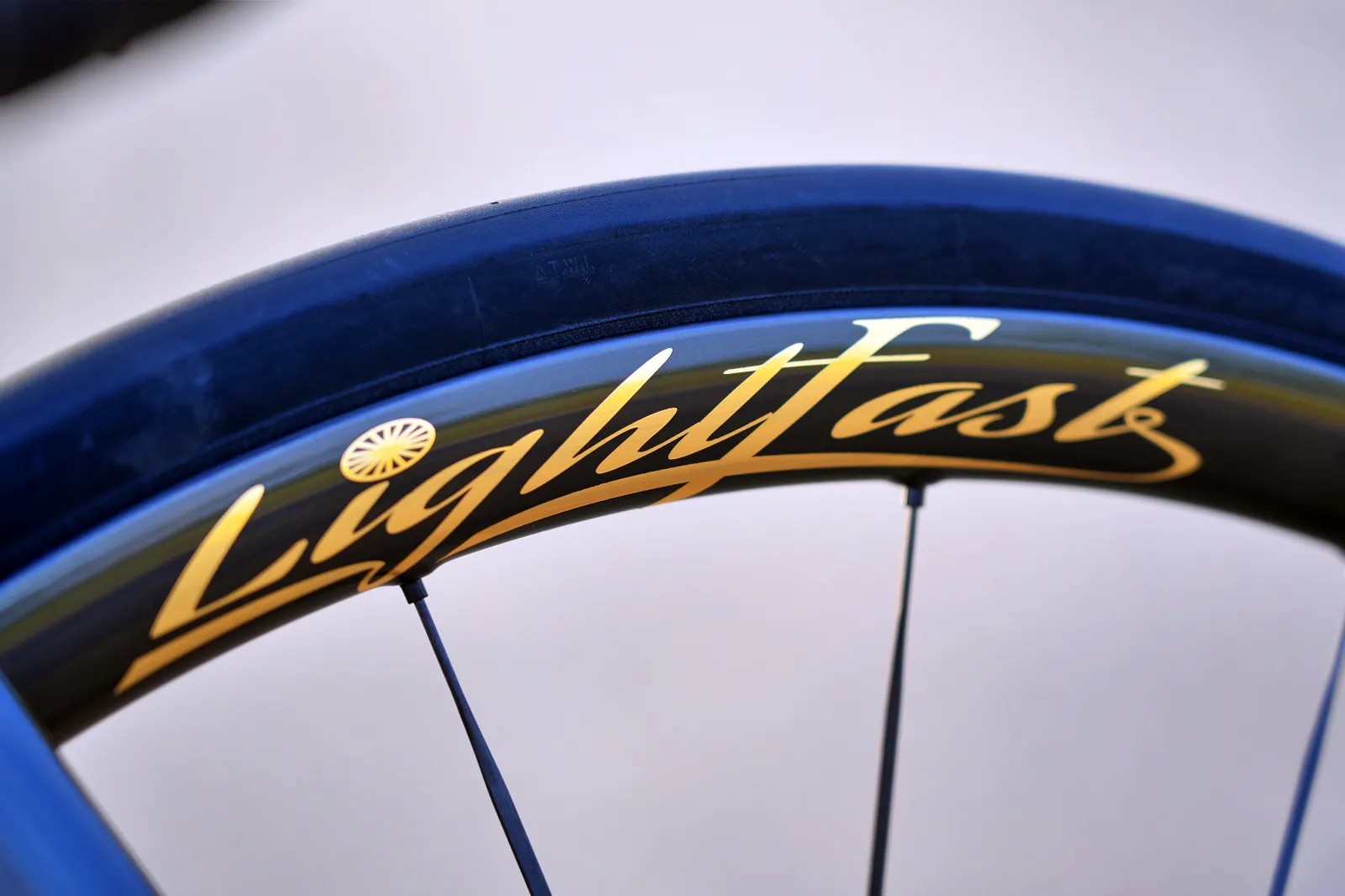
If you're focusing solely on pure hill climb races (such as Norikura and Mt. Fuji), the 30/30mm configuration (829g) is the lightest option.
If you want a tire that can be used for a wide range of activities including road racing, criteriums, enduros, and long rides, the 45/45mm (1,019g) or 35/45mm mix (999g) is the optimal solution in terms of balance between riding range and weight.
For time trials and triathlons mainly on flat roads, the 50/60mm mix (1,099g) is suitable.
Summary: Beyond lightness
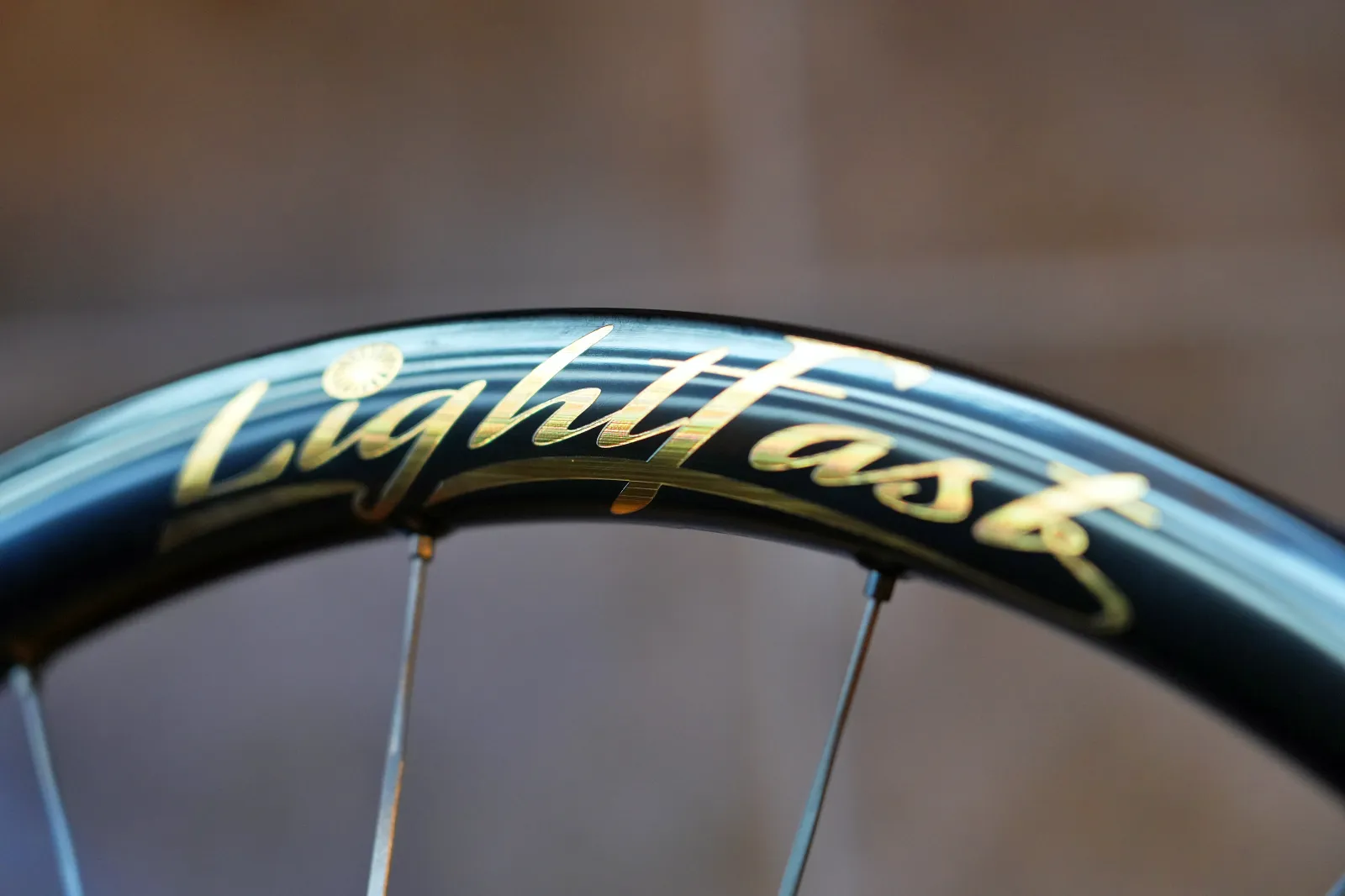
The LightFast LF X5 achieves an extremely light weight of just 829g per pair through a rational technological approach using carbon spokes, TPI ceramic bearings, and an unpainted finish, and is introduced to the market at a price range of 1/4 to 1/5 of that of premium brands in Europe and America.
For hill climbers and weekend racers, this could be an extremely cost-effective option.
On the other hand, the fact that it is an extremely new product, that there is no record of it being used by professional teams or UCI approval, and that it has risks inherent to carbon spokes (sudden breakage, difficulty in repair) are facts that should be directly considered when deciding whether to purchase it.
If you're passionate about lightweight wheels, willing to take the risk of trying an emerging brand, and want to experience the value of these wheels for yourself, then the LF X5 is worth trying.
Original article link: https://rbs.ta36.com/?p=75276


